
How two unlikely collaborators are building something that lasts.
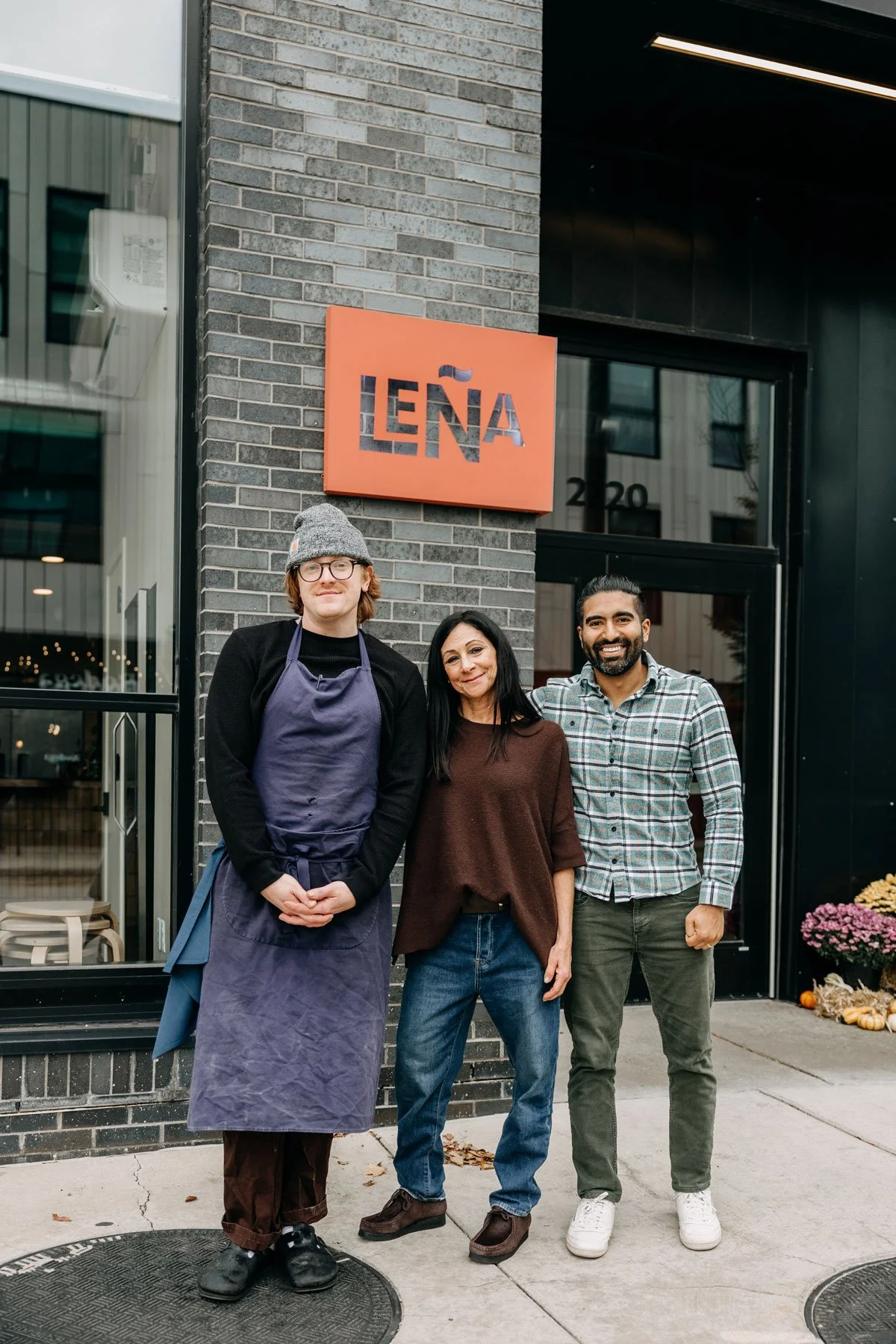
Entrepreneur Tarun Kajeepeta and Chef Mike Conrad entered the restaurant business following two very different paths.
One views the work analytically and the other creatively, yet they share a similar idea of what success looks like. Their differences have become strengths for running Leña, the Spanish-inspired restaurant in Detroit’s Brush Park neighborhood. Along the way, they’ve learned something about running a business from the other.
Kajeepeta has studied organizations for years to learn what makes them successful. His work includes management consulting, startups, organizational and real estate development. Conrad grew up understanding early on what a restaurant can offer to a community. His father has owned and operated the same sports bar in upstate New York for 30 years, an experience that made a lasting impression.
“I remember looking around my dad’s sports bar my whole life and realizing that he was just making dinner. The people who came were there to drink beer, have fun and make memories.”
—said Conrad
Taking that philosophy with him, Conrad advanced his culinary education in some of Detroit's most respected kitchens. He worked alongside talents like Brad Greenhill at Takoi and Jared Gadbaw at Oak & Reel before overseeing food and beverage operations at Book Tower, a restored historic building home to ROOST Detroit apartment hotel, restaurants and bars.
Kajeepeta met Conrad during the pandemic, when Conrad offered to help one evening at Kajeepeta’s downtown cocktail bar, The Shelby, when it was short staffed. Over time, they got to know each other and stayed in touch. When Kajeepeta began looking to expand into a full-service restaurant, he found an opportunity in Brush Park. The neighborhood had undergone significant redevelopment over the past decade, and at the time, Conrad was ready to return to his restaurant roots and handle something smaller.
“I’m a restaurant guy, and small is easy to manage. It’s something you can touch every piece of that’s more grounded and back to basics.”
—said Conrad
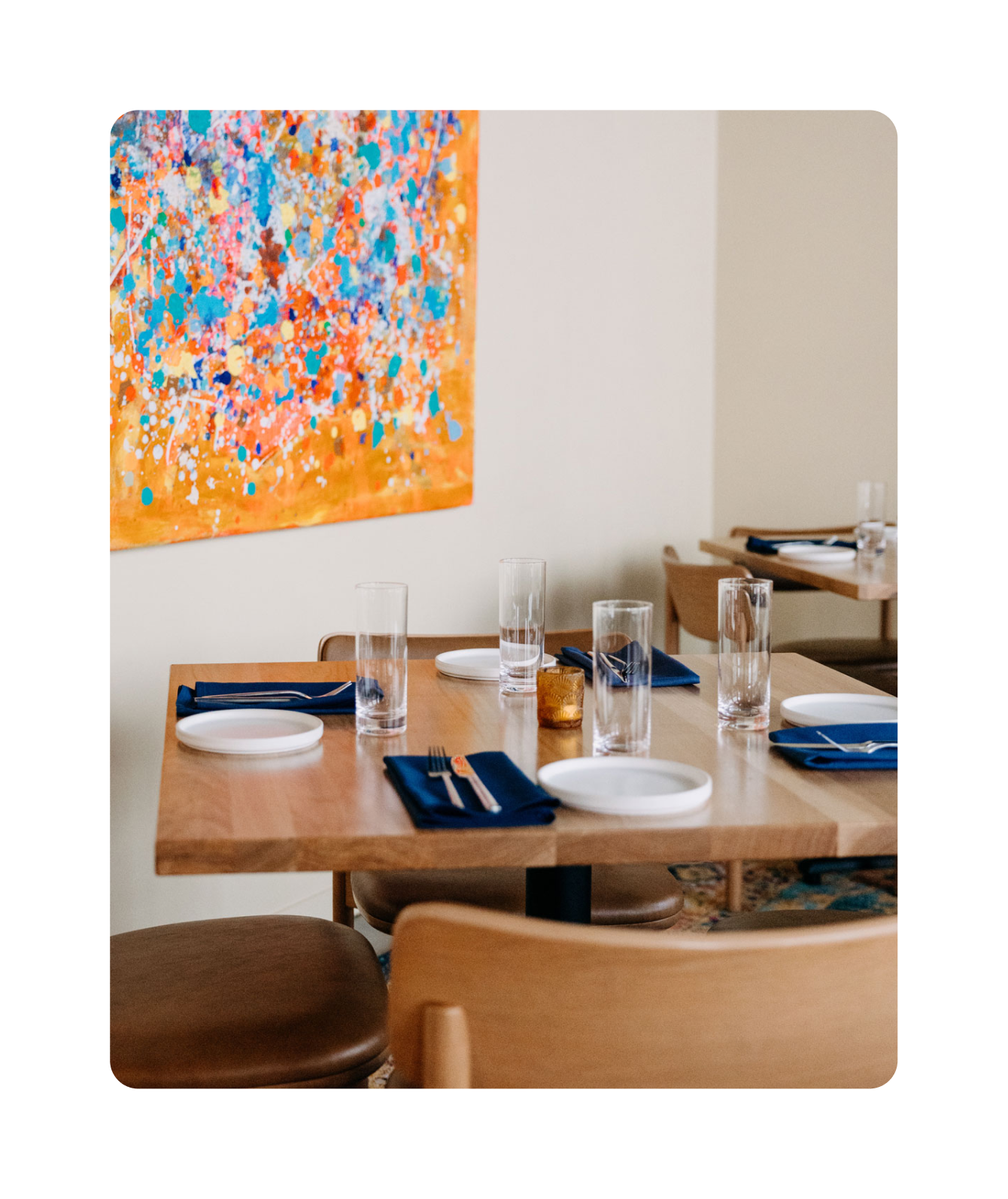
Leña opened in 2024, bringing a 58-seat Spanish-inspired, live-fire kitchen to Detroit. The team landed on the cuisine after several visits each to the region. They are close to the major sporting and entertainment venues, making it a convenient gathering place when attending events downtown.
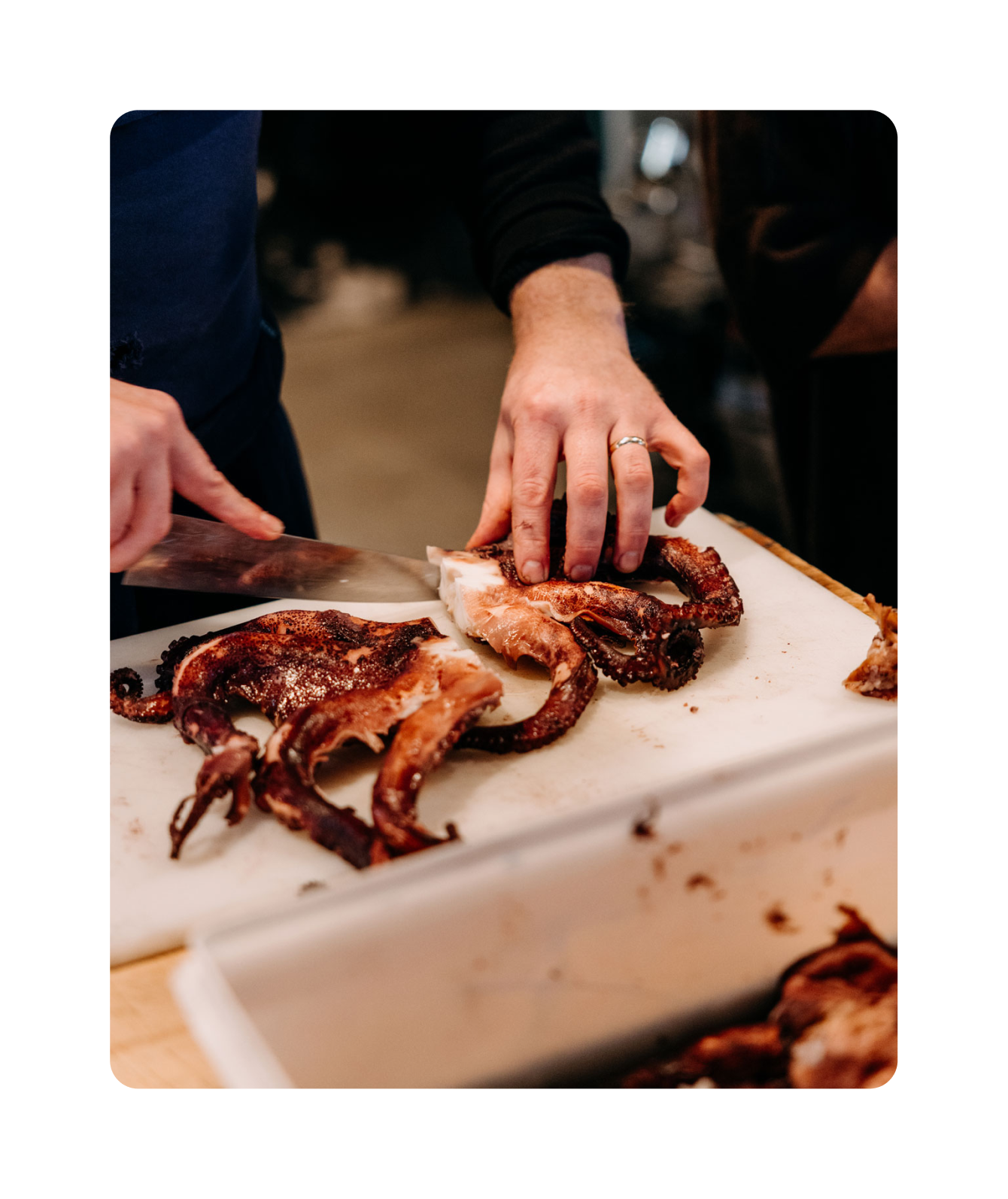
The menu is playful and balances an array of bold flavors coming from the Catalan and Basque regions of northern Spain. Smaller shareables include the salt cod croquettes ($18) set in a tartar sauce that’s accented by a red espelette pepper drizzle, and the sourdough delicata squash toast ($22). Roasted rings of Maple Creek Farms squash tossed in a maple vinaigrette, shingled over a bed of whipped ricotta that’s finished with toasted pumpkin seeds, fried garlic and herbed greens.
There are the prawns ($28) line-caught from Nigeria, grilled with a soffrito-infused butter, and Eagle Creek rainbow trout ($36) seasoned with salsa verde and pil-pil, nestled in a savory anchovy base and finished with smokey grilled grapes and maitake mushrooms. The fall strip steak feature (MP) is sliced, drizzled with a savory beef jus and surrounded by autumnal vegetables.
For Kajeepeta, Leña represented another opportunity to invest in Detroit, and contribute to the kind of neighborhood he believes will bring more residents and businesses to the city.
“I’m passionate about growing populations, attracting more people to the city and changing people’s opinion of Detroit. I felt like this was a way to make an impact on all those fronts.”
—said Kajeepeta
Leña has garnered recognition since opening, including being named among the best new restaurants by Hour Detroit, the Detroit Free Press, a Best Splurge award from Eater Detroit and a permanent spot on Eater’s Essential 38. Conrad was also named a 2025 StarChefs Rust Belt Rising Star.
Kajeepeta has tremendous respect for Conrad’s culinary talent, although the chef seems more comfortable brushing off his accomplishments than celebrating them.
“Mike is the king of self-deprecation about his food. He thinks of it as just plopping something on a plate, and I'm like, dude, this is the best thing I've ever eaten in my life.”
—said Kajeepeta
The two clearly appreciate what the other brings to the business, but their working relationship required some adjustments initially. Kajeepeta’s background in organizational design makes him comfortable with financial analysis, operating costs and the decisions required to keep a business profitable. Conrad focuses on developing menus, cooking, and managing the kitchen and staff, a role where creativity is central to success.
Kajeepeta admitted that early on, he was too involved in decisions about individual dishes, costs and overall performance of the menu. He has since relaxed his approach, after realizing that the restaurant works better when Conrad takes ownership of the menu.
“I was probably too micromanage-y in the beginning,” he said. “I’ve learned to let go a little bit.”
Conversely, Conrad acknowledged that working with Kajeepeta has made him confront the menu more analytically than he otherwise might have. Now they work on establishing and meeting targets together. They review purchasing, ingredient costs and menu performance using financial information to guide business decisions without them dictating Conrad’s creative choices.
“None of this is going to work unless you can make money. Restaurants don't exist if you're not at least attempting to achieve profitability in some way, shape or form.”
—said Conrad
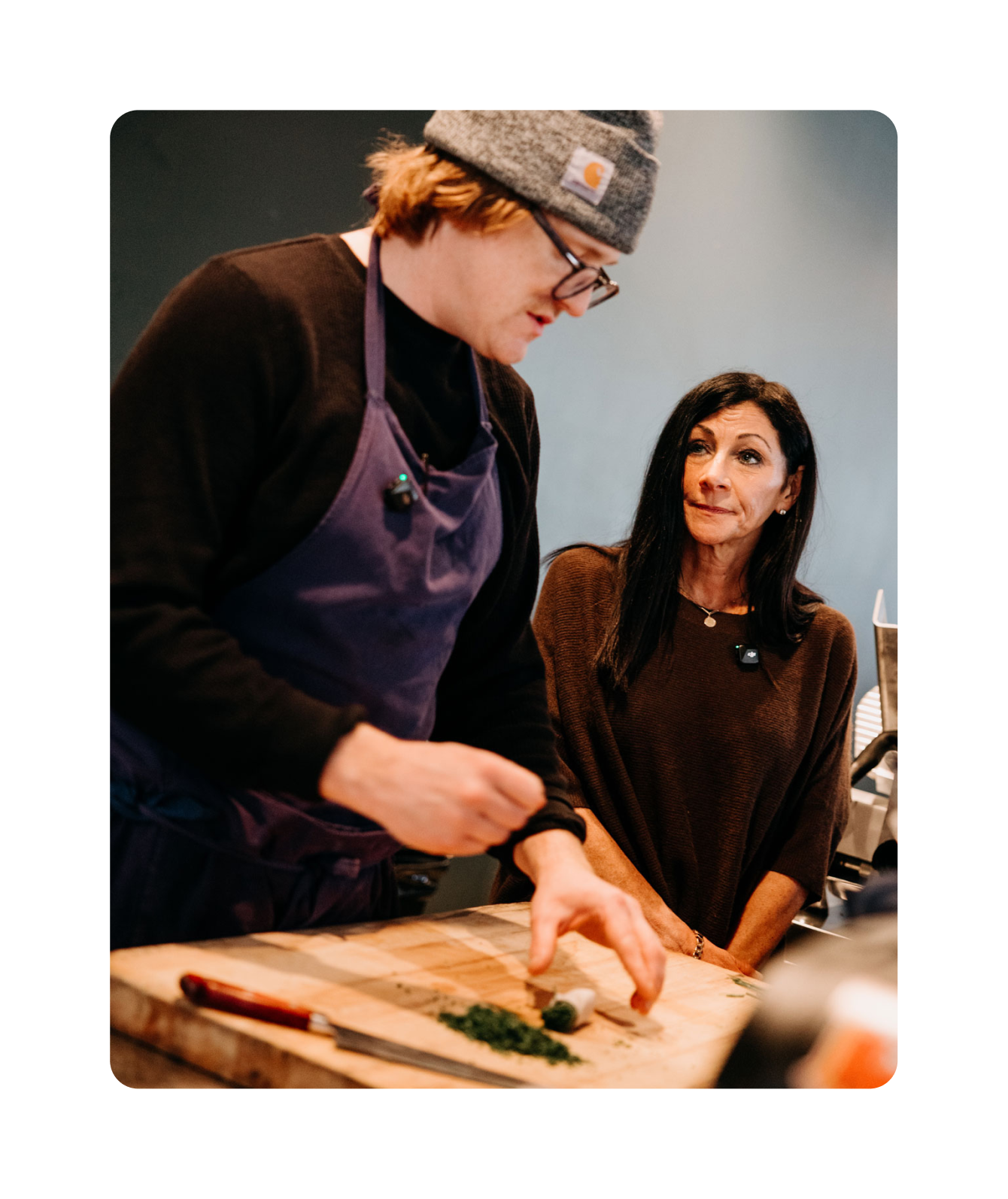
That security has become increasingly important to Conrad as he’s gained more experience. Today his priorities extend beyond creating good food. They include maintaining a place where his employees can continue to work and earn a living, just as his father has done for the sports bar staff. In the revolving door of restaurant work, the same employees they opened with are still there today and have become part of the family. He understands that keeping the business financially healthy is what makes these bigger goals possible.
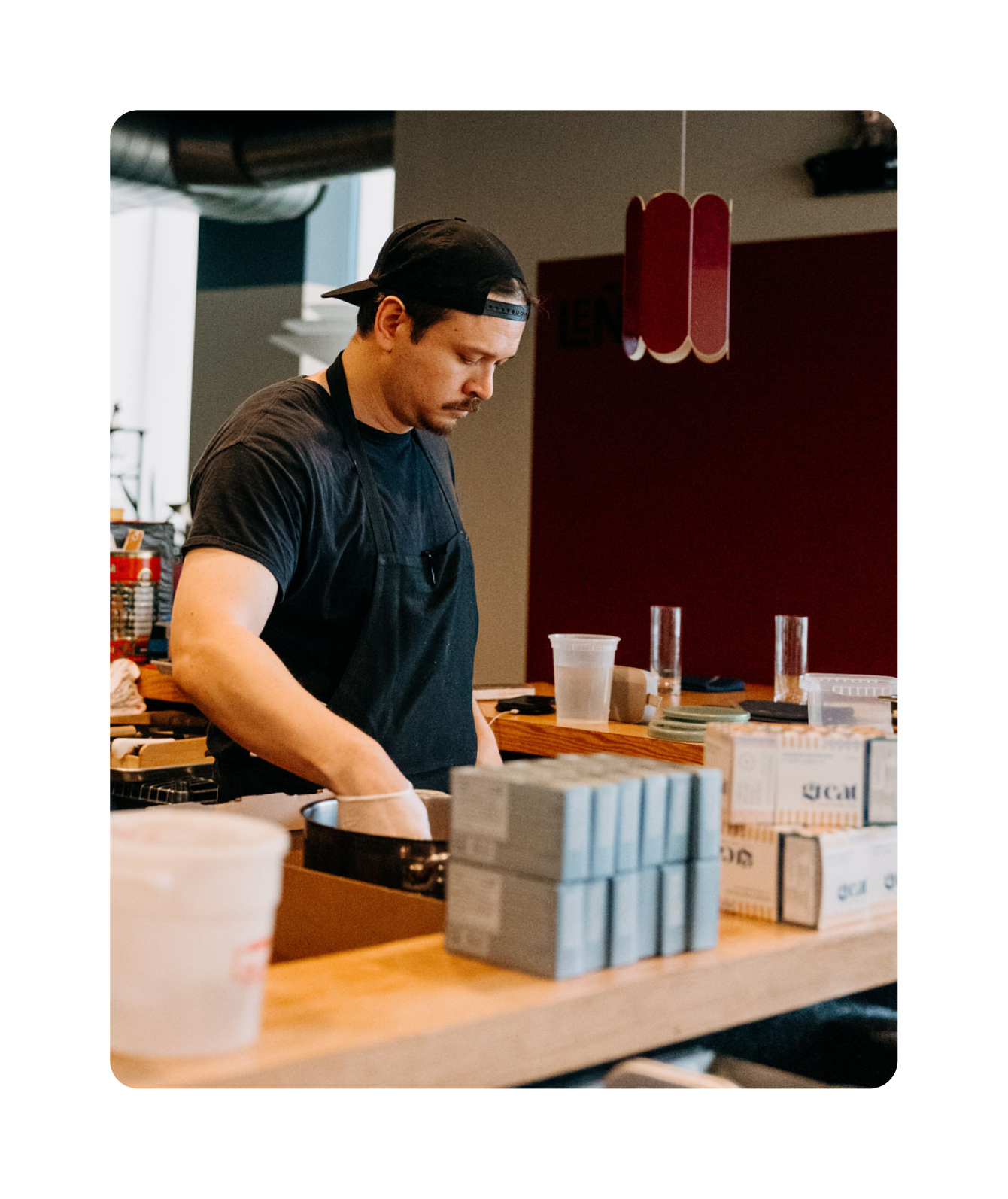
On a recent visit, there was upbeat music playing, conversation and easy interaction between the cooks. Easy to observe with an open kitchen, the team worked like a family preparing dinner together. The atmosphere changed when service demanded everyone's full attention, but it was clear the team worked well together and took their responsibilities seriously. For Conrad, it’s those relationships that give his work meaning beyond the food on the plate.
Kajeepeta's motivation comes from a different experience, but it leads to a similar place. A graduate of the University of Michigan's Ross School of Business, his agenda as a partner of Piquette Partners is to invest in businesses and properties that can contribute to Detroit's economic growth. He also recognizes that restaurants are difficult businesses to operate, and that there are better ways to earn a financial return.
More important to Kajeepeta, is creating the kind of spaces that encourage people to live, work and spend time in the city, and restaurants are part of that strategy. They generate revenue, but also because they contribute to the character of a neighborhood. For him, restaurants can be profitable and sustainable with the right financial controls, but making money alone isn't the only reason he continues to invest in hospitality.
“You have to do it for the love of the game because it’s an all-in thing. It’s also the outsized effect you can have on your community and broader goals.”
—said Kajeepeta
Those goals extend to one of Kajeepeta's current projects, Bagley Vision in Corktown, a 25,000-square-foot redeveloped warehouse near Michigan Central Station. He and his partners spent four years rehabilitating a building that had deteriorated badly enough to recommend demolition. Recently completed, the project includes 14 apartments, approximately 10,000 square feet of commercial space and a publicly accessible park.
Kajeepeta acknowledged that the partners could have created additional leasable space instead, potentially generating more immediate revenue. But they chose to make room for a public gathering place that would benefit the development and the surrounding community over time. It’s a great example of how he evaluates investments beyond their immediate financial return for long term gain. Kajeepeta hopes it will bring new residents, restaurants and other businesses that contribute to the surrounding neighborhood.
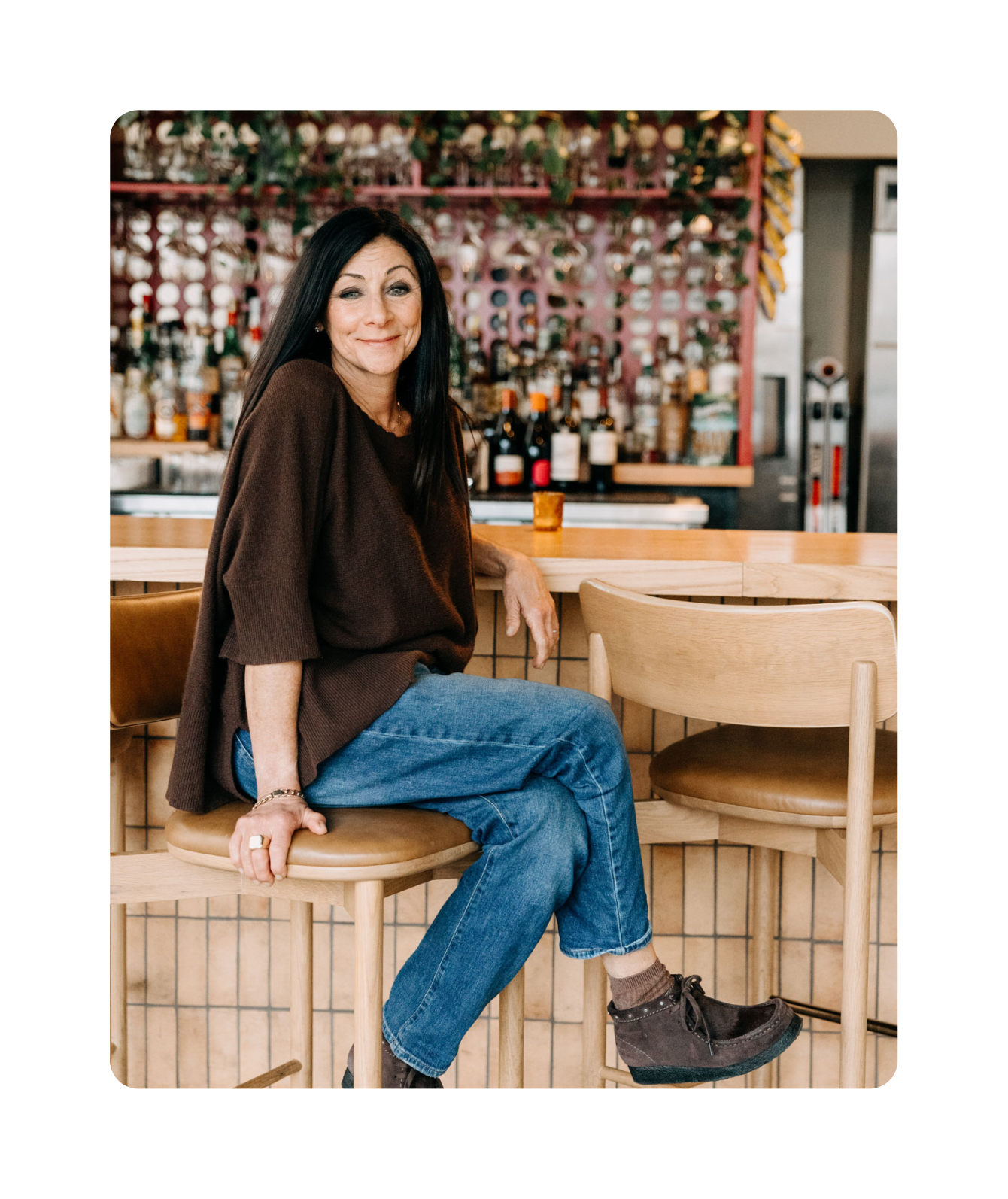
For all their differences, Conrad and Kajeepeta have arrived at a similar understanding of what makes a business worth building. Conrad wants Leña to provide the same kind of stability and sense of belonging he witnessed growing up in his father's restaurant.
Kajeepeta sees it as part of a larger investment in Detroit, creating places that bring people together and encourage them to stay. Both recognize that profitability is essential to making those ambitions last, but neither considers it the ultimate measure of success.
“We looked at ourselves as builders here to create memories and the foundation for the best or worst day of your life at a dinner table. That’s literally the only thing that our team here wants.”
—said Conrad
Leña
2720 Brush St., Detroit
(313) 262-6082
lenadetroit.com
Hours
Monday 5pm-10pm
Tuesday—Closed
Wednesday—Saturday 5pm-10pm
Sunday 5pm-9pm