
Put It to Bed
One last round in the garden before putting summer of 2026 to bed.
Come fall, the only thing I think about whenever I’m in the garden is which plants to pull out next and which ones will sustain me until the growing season truly ends.
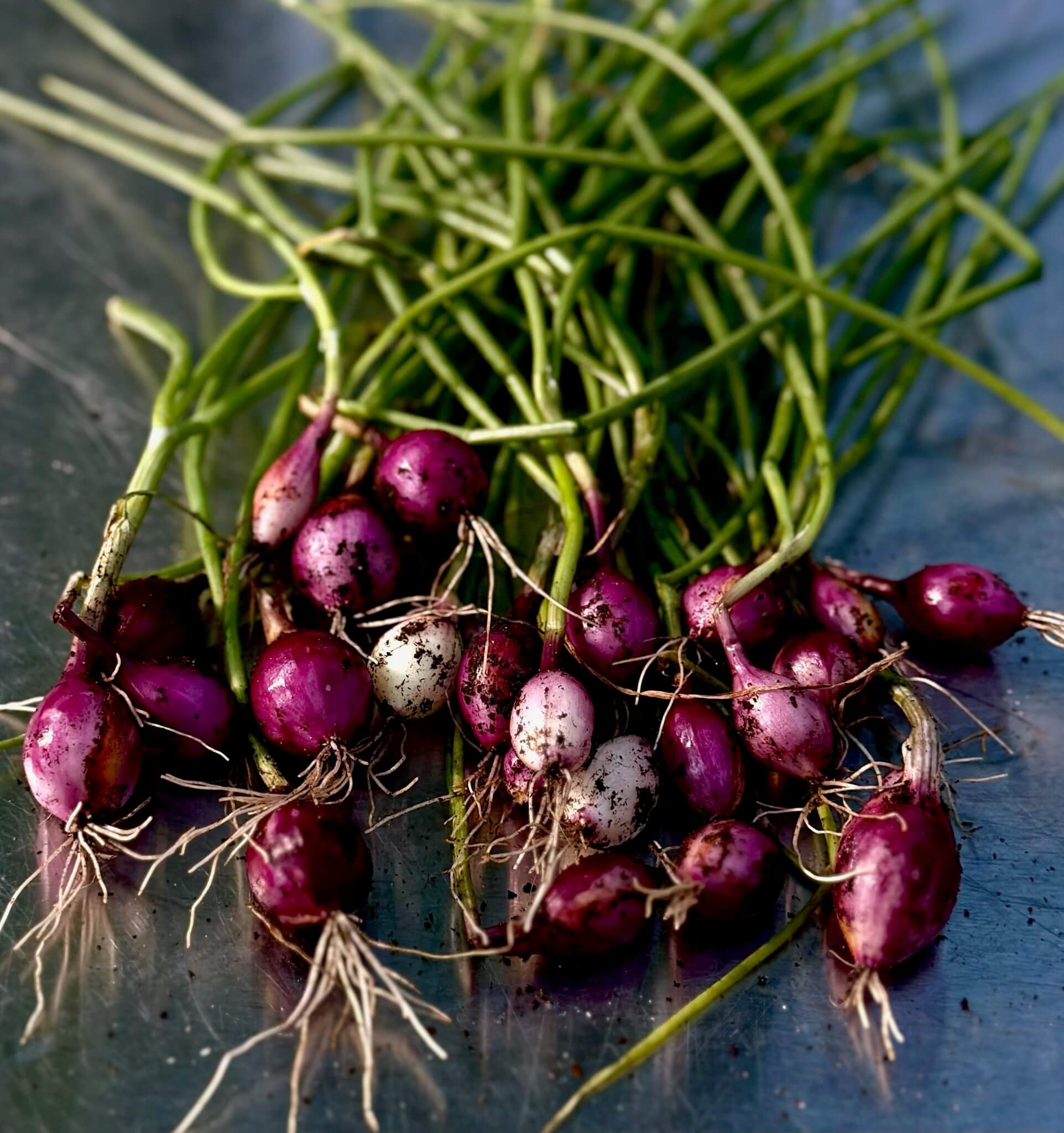
My focus shifts to the list of chores for closing that need to be done rather than the growing of plants. It is hard to stay motivated with the end of the season in sight.
On my latest stroll, I removed all the zucchini and squash because they just weren’t worth pouring my energy into anymore. They never started producing and, even worse, were starting to show signs of a fungal disease. I’ve also seen some spotting on the cucumbers, which are next if the disease spreads further.
Pulling a crop out might seem like a rash decision, but I’ve been considering it for a while. Even during good years, I've had little success with zucchini and squash. But a yield of only two zucchinis by summer’s end was enough to convince me to go ahead. Next year, I’ll buy them from local farmers instead of doing it myself. I’m going to try butternut squash or a small melon variety to see if they do any better. Game on—let the best vine win.
Other groups I’m pulling out of the ground include certain tomato plants and the rest of the cabbages. They were not thriving and aren’t likely to. I need the room for a new round of baby broccoli seedlings.
Baby broccoli is a good choice for late-season growing. It doesn’t need as much sun and loves the cooler temperatures. In cooler weather, the cold tolerant plants are happy as can be. I added lettuce, kale and spinach in another bed, who love a good chill too. It’s nice to see bright green leaves after most plants have withered and died off.
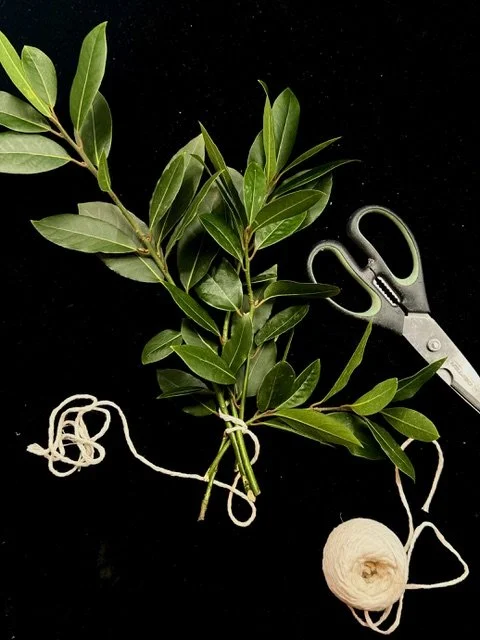
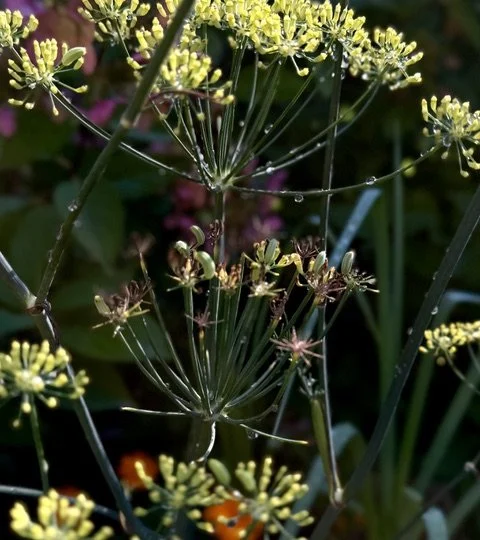
Some of the garden has started over without much help from me. There is new dill growing where the previous dill flowered and dropped seeds. The cilantro is doing the same thing in the container where it was planted. I always appreciate having another round of them since I can’t ever get them to grow in the intense summer heat.
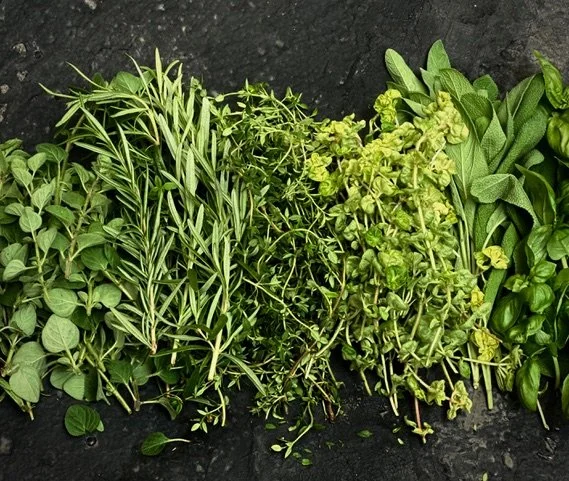
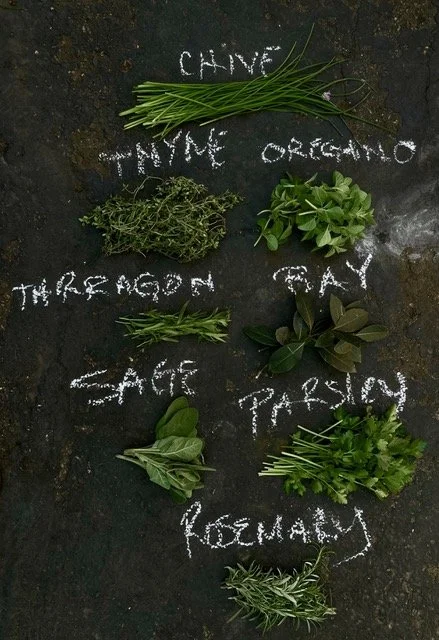
I decided to create a fall herb garden in the 4 x 4 bed where the green beans were. It’s one of the few things I’m still willing to invest in because herbs offer a high return for little effort. The bed has a clear greenhouse cover that keeps the plants warm when temperatures dip. It let me use up the last of my 2026 herb seeds and extend one my most valuable kitchen crop by several weeks.
Herbs are always my healthiest and most abundant crop, with the best ROE — return on effort of anything I grow. I cook in large quantities—Sunday dinner at my house can mean feeding 20 or more—and the dinky grocery store herb packages are never enough for the amounts I need. All summer I have more basil than I can use and give it away in bunches. But when I need to buy it in the off-season, I can easily go through 10 packages for a large pot of marinara or minestrone. That makes it pricey when they each cost $3 or more.
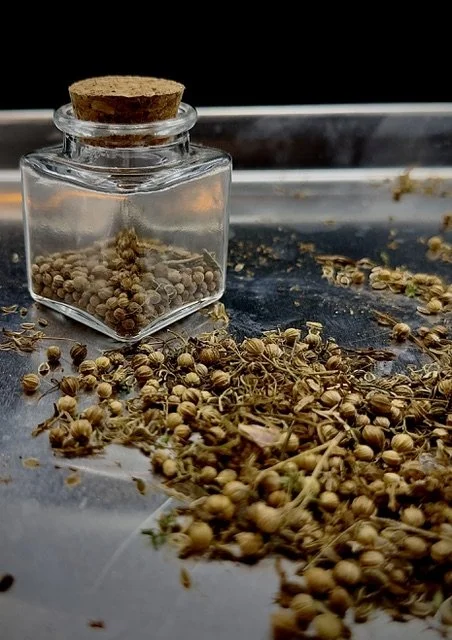
Another place my herbs pay for themselves is in the spice pantry. Some are cut and dried for their leaves, like oregano, thyme and marjoram. Others I harvest for their seeds, like cilantro, dill and fennel, by letting them flower intentionally. It’s a different approach the continually preventing it, but each jar I fill from the garden saves me $6 or more at the grocery store.
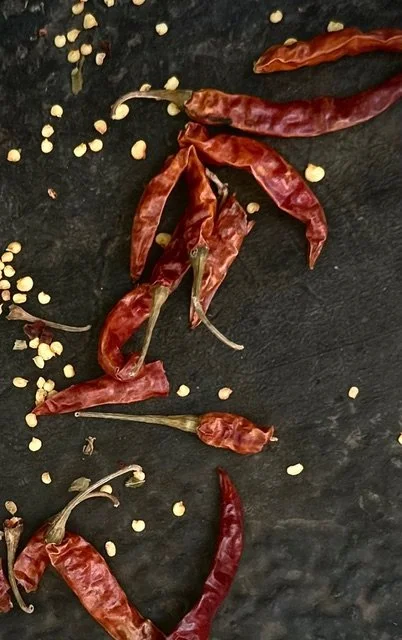
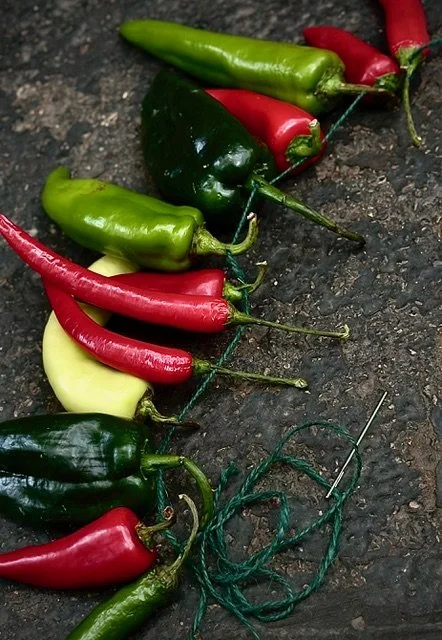
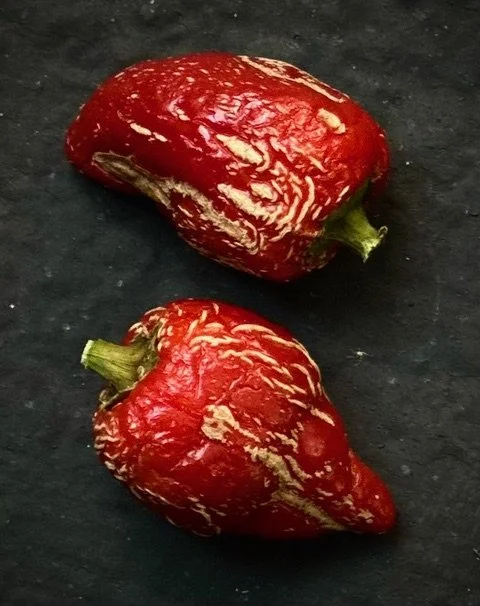
In reviewing the 2026 season, I realized that my hot peppers have been the biggest vegetable crop of the year. They’ve been consistently producing, with plenty for a few batches of hot sauce, a great way to extend their shelf life. The hot peppers also transition nicely dried into the spice pantry either whole, crushed, or ground into a powder. After the jars are filled, I use the extra as part of my pest protection plan for next season.
Until the season is truly over, there’s not much left for me to do except keep harvesting what’s still producing while slowly close each section. Putting a garden to bed is a big job, with beds to empty, soil to condition, plants to compost, and tools to clean and put away. Sure, there are fall bulbs I could plant or some other cold-tolerant vegetables that could extend the season, but honestly, I'm ready for a break too.
I no longer feel the need to fill every space like I did in the spring. After months of watering, pruning, feeding and treating pests, these new empty spaces are a welcome sight, and one less thing for me to care for. I can take what I can from the garden into the kitchen and pantry, along with the lessons, and call the 2026 season complete.
Even though it’s a welcome break, I know it won’t last long. By January, I’ll be mapping out the new garden plan, looking through seed catalogs and forgetting all about the burned-out feeling I get in fall.
I’ll start next year like I have every season before it, convinced that it’s going to be the best growing season yet.