
The Other Side of the Pass
An inside look at the details that define hospitality at Selden Standard
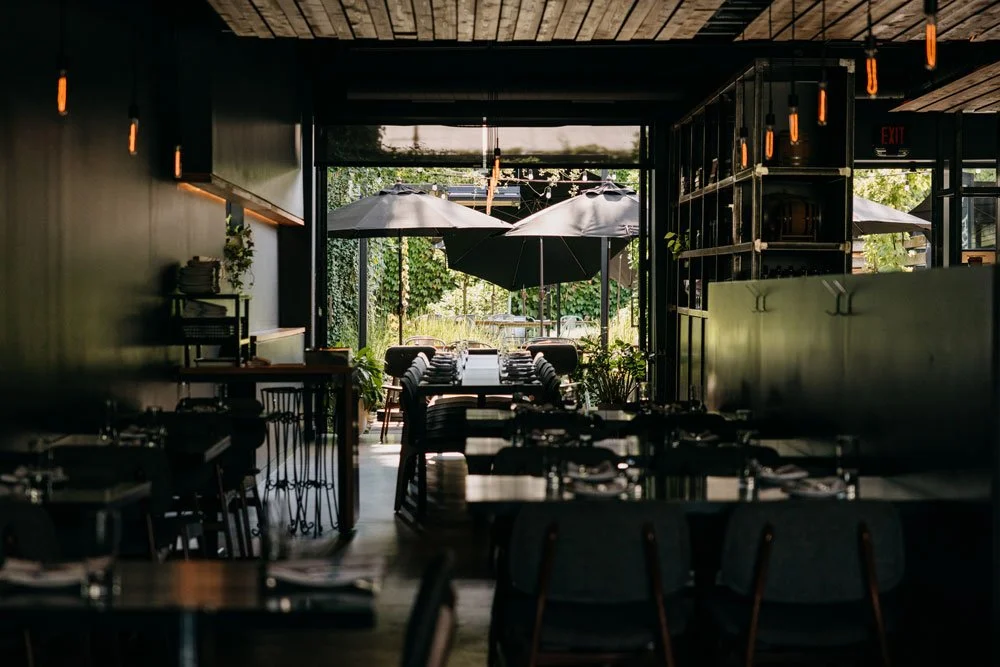
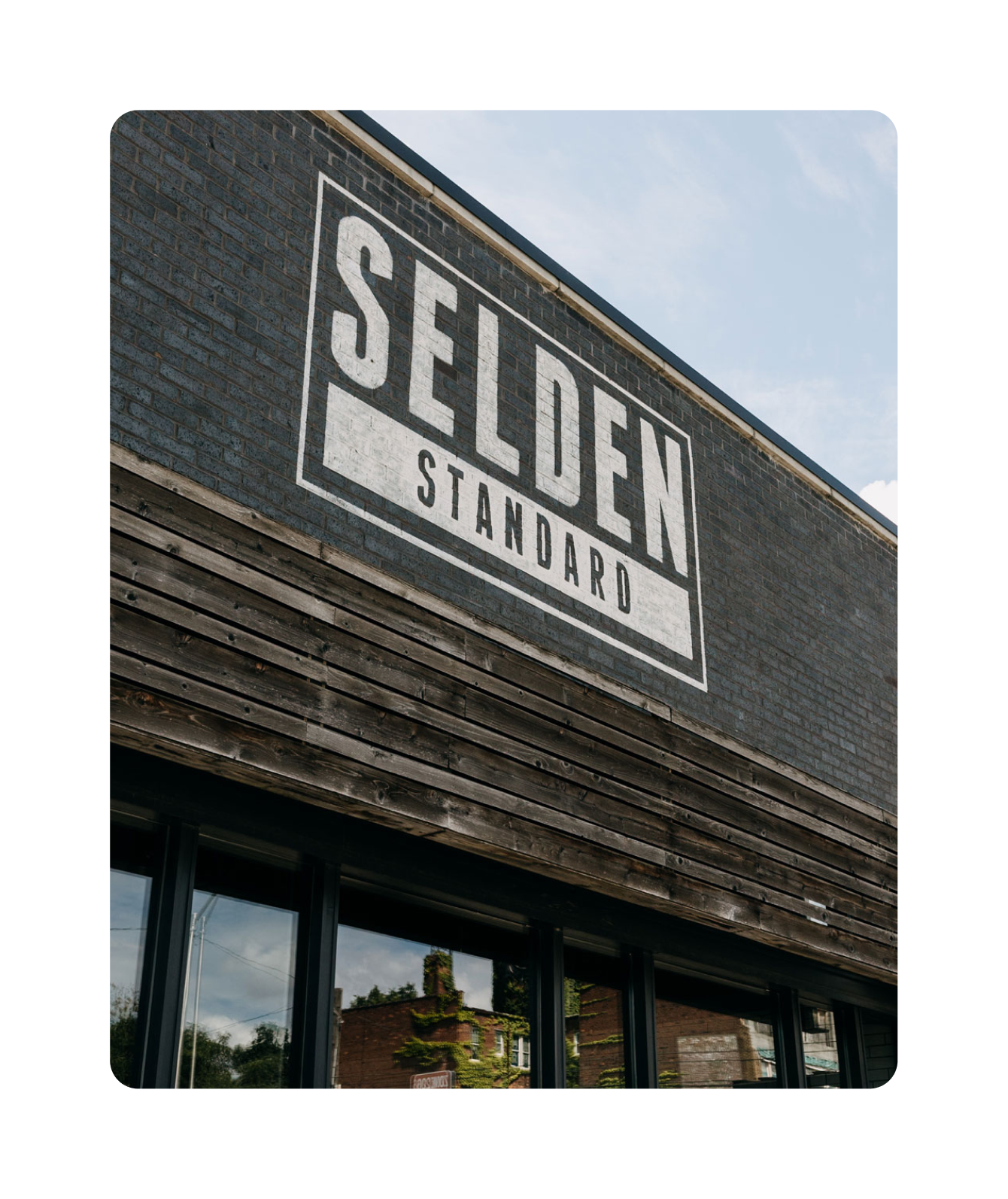
Rustic Midtown restaurant Selden Standard has spent more than a decade in the spotlight of Detroit’s culinary scene. The acclaim has as much to do with the front of the house as the back.
I saw this in action during a recent evening when I observed a dinner shift with general manager Paul Fradeneck and the crew that makes Selden Standard run like a well-oiled machine.
Executive Chef and co-owner Andy Hollyday and partner Evan Hansen created the minimalist restaurant around seasonal ingredients, relationships with local farmers and producers, and a commitment to scratch cooking. Hollyday’s creative approach to modern cuisine has been matched by an equally thoughtful approach to hospitality and service.


Since opening in 2014, Selden has collected accolades from national and local publications including The New York Times, USA Today, Detroit Free Press and Hour Detroit. Both Hollyday and the restaurant have received multiple nomination nods from the James Beard Foundation. Hollyday was a finalist for Best Chef Great Lakes in 2023. Today, Selden Standard remains a foundational part of Detroit’s recent dining renaissance.
But great restaurants aren’t judged just by the food, and culinary excellence alone isn’t enough to ensure a high level of success. It takes a skilled team of hospitality professionals on the other side of the pass to carry the chef’s vision the rest of the way. Once a dish leaves the kitchen, another team becomes responsible for communicating the details of the food to guests. Having a dining room that can execute those distinguished standards of service and hospitality is equally important to the restaurant’s success.
Hospitality specialists must be able to answer questions, explain cooking methods, describe unique ingredients and help guests choose a beverage to complement a dish. This is where Selden Standard excels. They’re aware that without a competent service team to support the kitchen’s efforts, elements of the chef’s intentions can easily be lost.
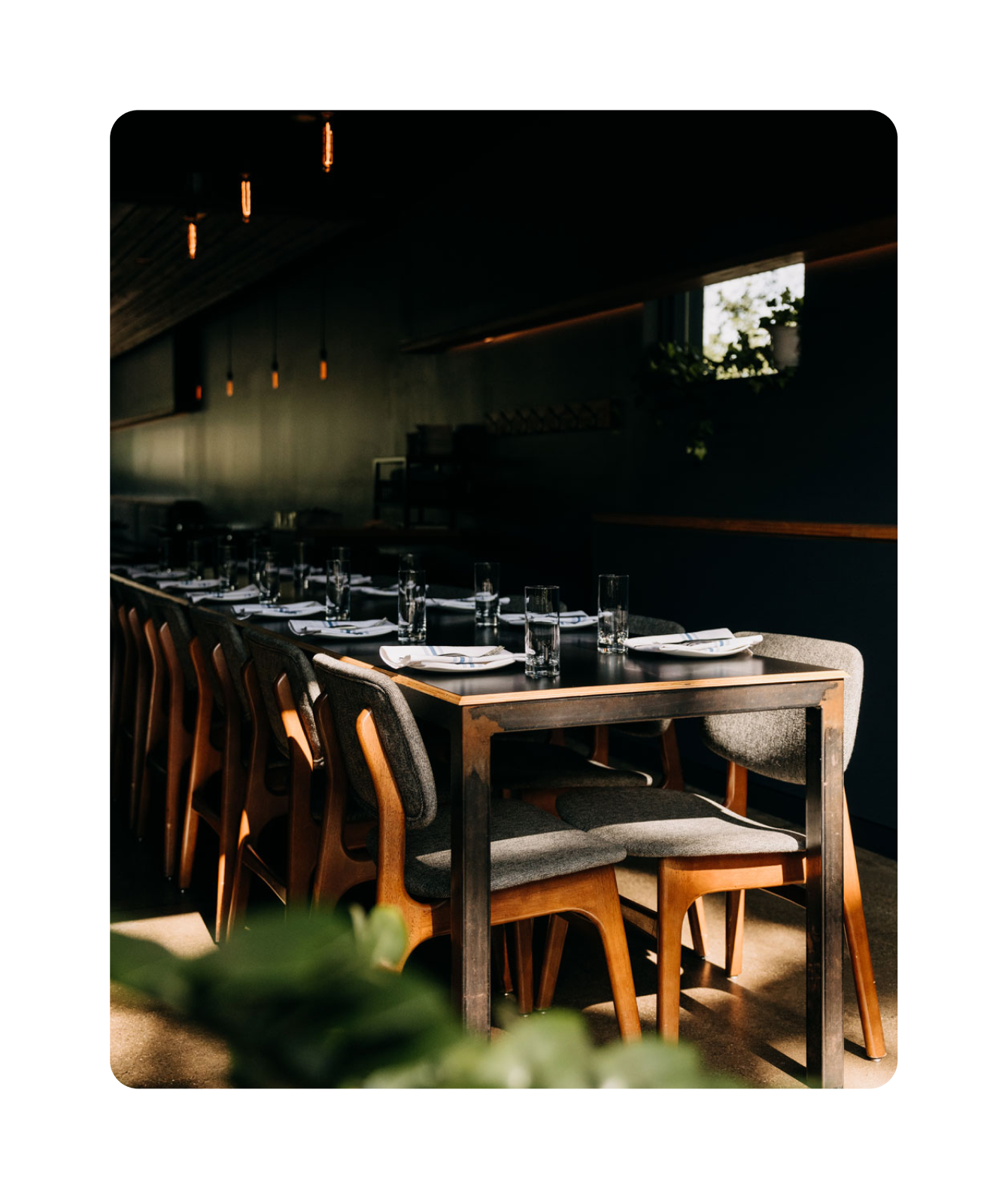

At Selden, that’s where Fradeneck comes in. He has led the team since June 2022.
Fradeneck has spent decades working in restaurants, beginning at age 14 washing dishes and peeling potatoes at Grand Riviera in Roseville. Since then, he has worked alongside some of Metro Detroit’s most accomplished chefs, including Luciano DelSignore at Bacco, Kate Williams while with the former Republic, James Rigato at Mabel Gray and now Hollyday at Selden Standard. Except for a brief detour into radio, restaurants have remained a constant throughout his career.
“I’ve worked in restaurants for 30 years, with the majority of the time in front of house. I’ve been very fortunate to work for and with the top chefs in and around the city for the last 10 to 15 years.”
—said Fradeneck
Working with chefs of such high caliber and with different styles has refined Fradeneck’s approach to his own craft, as he strives to equal the efforts chefs bring to the kitchen. His understanding of hospitality has also evolved over time. In earlier years, his focus was primarily on procedure and technique—a properly set station, an orderly mise en place, and the perfect execution of recipes. Later, he came to understand that flawless execution and hospitality aren’t necessarily the same thing. Hospitality is its own unique artform, something he works hard to instill in his team.
“It’s often been said that service is what you pay for, like you order something and I bring it to you. But hospitality can’t be bought. It comes from the goodness of your heart to make someone feel welcome from the minute they walk through the door.”
—said Fradeneck
When Fradeneck first arrived, he recognized that Selden already knew how to take care of its guests, with detailed systems firmly in place. He spent his first months observing, taking notes and learning how things were done before bringing suggestions to the team. Most worked, but when they didn’t, they simply reversed course and went back to the old way.
Since taking the role, Fradeneck has been able to integrate his own well-earned philosophy, which centers around anticipation, awareness and making sure guests feel seen. For him, the job isn’t about reacting to something that happens during service. The real work is being able to anticipate what could happen and prevent it, which begins well before the restaurant’s doors open.
“We’re extending the same level of care not only related to what they’re eating, but to every aspect of the guest experience. From how they’re greeted when they walk in the door, how the host handles the phone, to what the communication says on OpenTable when they’re texted a confirmation.”
—said Fradeneck.

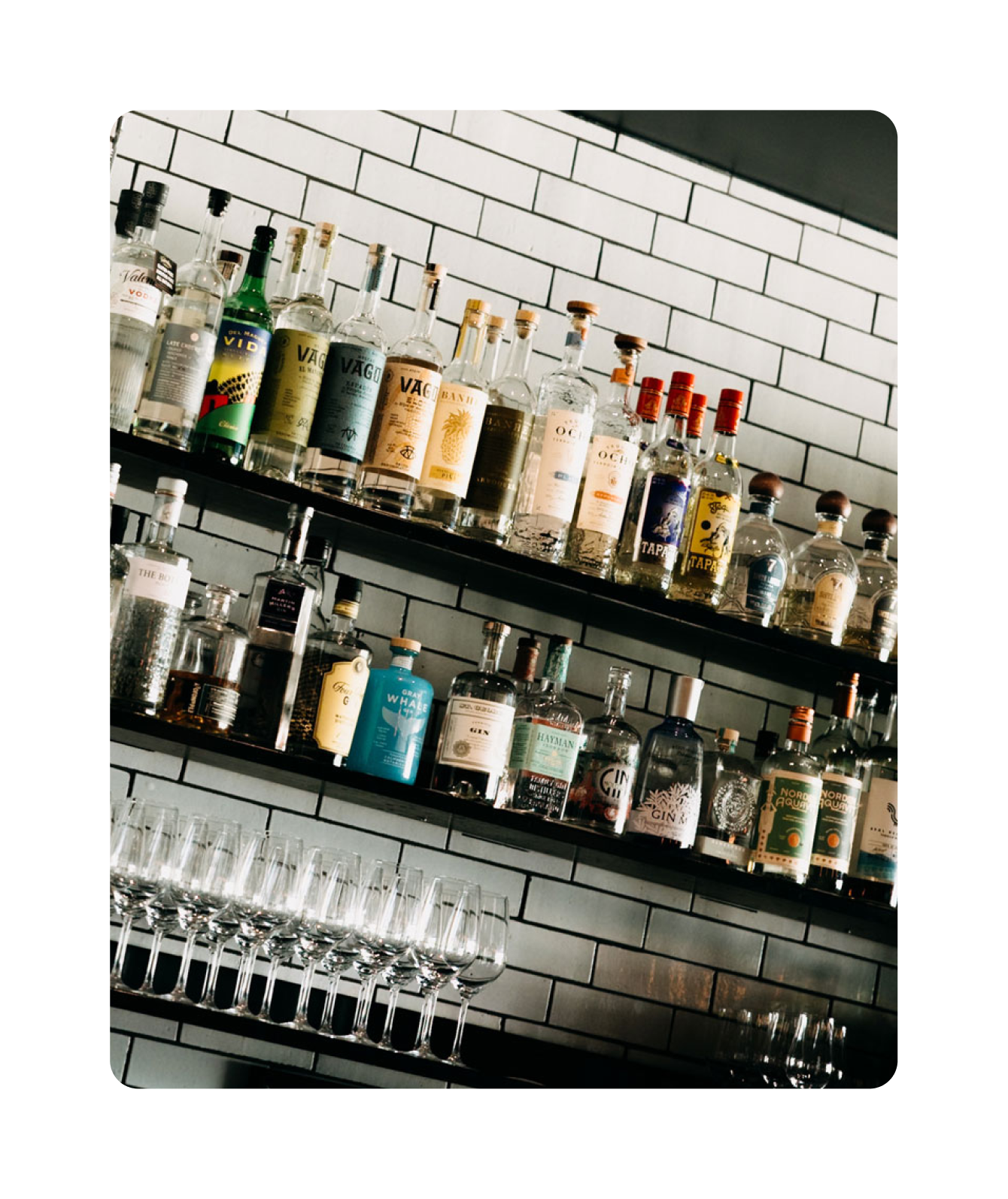
I met with the Fradeneck on a warm, late summer day at Selden several hours before dinner service. I wanted to get an idea of what Selden’s hospitality philosophy looks like in practice. As we sat down, he shared that there were already 150 reservations on the books, which could easily reach 200—and this was a Tuesday!
Each day begins with reviewing the reservations to help prepare the staff for the needs of certain guests. Fradeneck estimates about 65 percent contain some type of note, whether it’s a birthday, anniversary, dietary restriction, seating request or food allergy.
For food allergies, something the restaurant takes seriously, Selden prints the guest’s name, reservation time and allergen for the server assigned to the table. That staff member reviews the menu in advance to identify the safe dishes for them, with a note about where modifications can be made to others. The server confirms the allergen again once they’re seated to make sure the information is accurate.
“The infrastructure and culture here at Selden are very well thought out. There are a lot of tools for the staff to be able to read through our menu matrix and understand every ingredient on any plate.”
—said Fradeneck
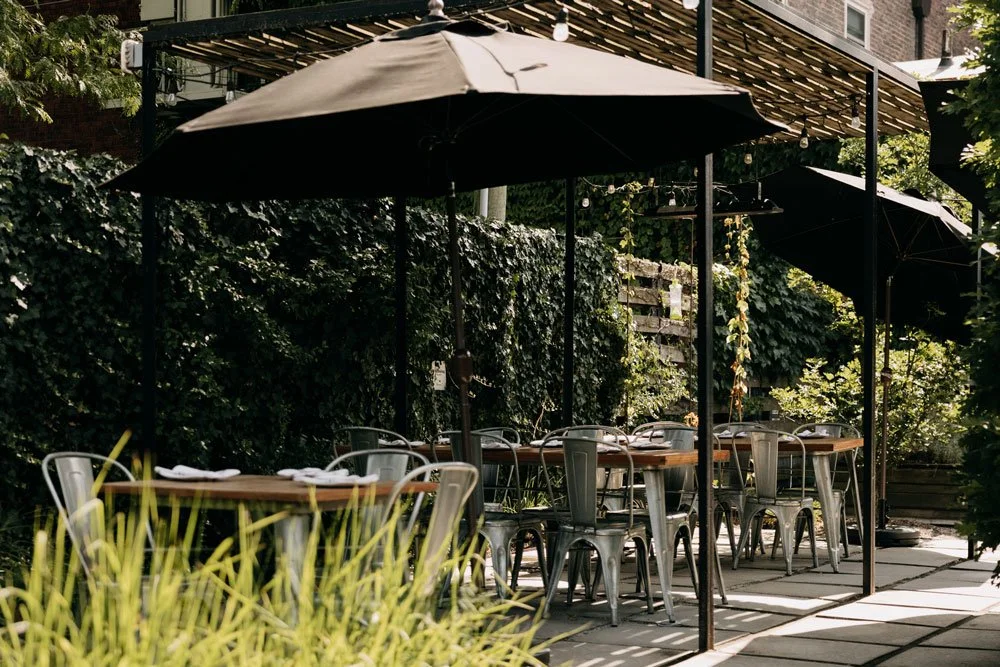
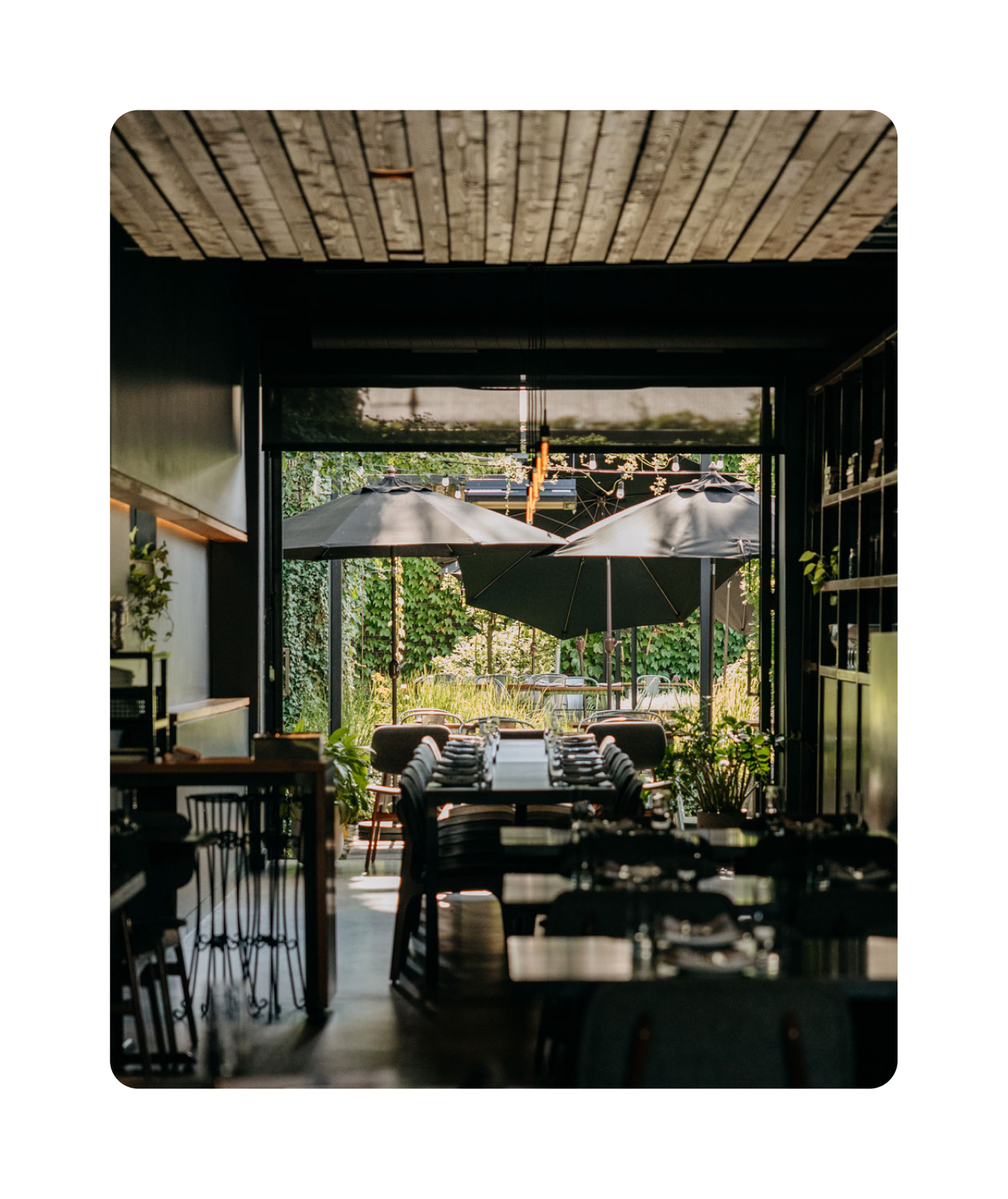
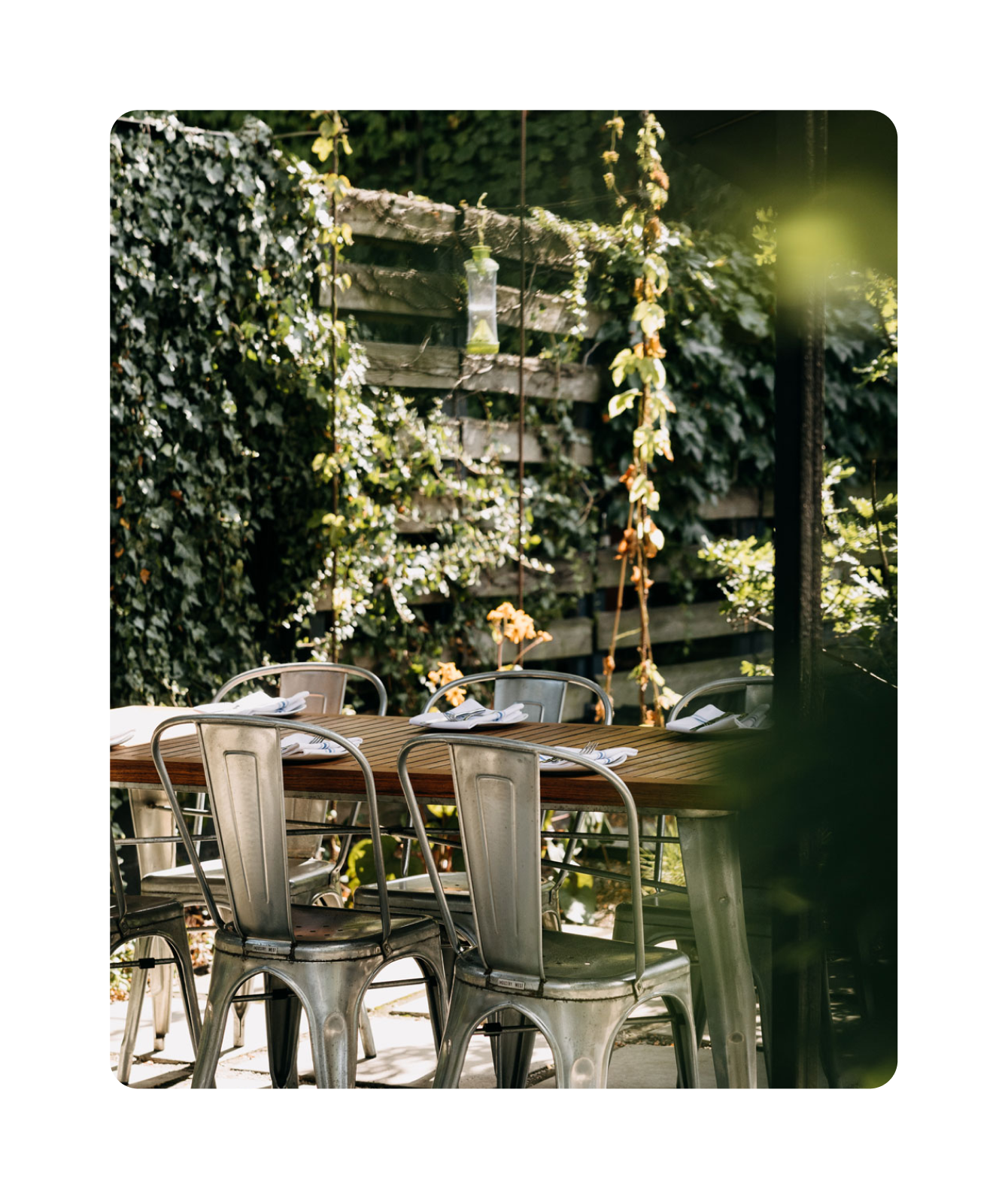
Weather is another major consideration for the dining room, especially when there’s a patio full of reservations that suddenly needs to be moved indoors. Fradeneck checks weather reports regularly, along with events happening around town, because a concert at Little Caesars Arena can affect the volume and flow of service. Even making sure a guest understands in advance where to park or which table they’ve reserved—whether it’s the patio, communal table or chef’s counter—can prevent disappointment later.
Anticipating someone’s needs and making them feel seen drives Fradeneck’s philosophy which guides how he treats his team. While making the evening floor plan, he considers which servers have just worked on the patio in 90-degree heat, who may be there for the fifth consecutive shift, or if anyone is dealing with an injury. He believes that setting his staff up for success gives them a better opportunity to do the same for guests, something he calls “internal hospitality.”
The service members began arriving at 3 p.m., first sitting down for a meal together before turning their attention to the night ahead. The lineup followed, bringing the front-of-house team together to review what they need to know about the evening’s reservations. I sat in on their staff meeting before service to understand the range of information Fradeneck expects the team to absorb before the shift begins.
He began with the 150 reservations already on the books, pointing out large parties, VIPs, and a Megan Moroney concert being held at Little Caesars Arena to take into consideration. From there, they moved on to the inventory, giving a tally of bottles of wine, steaks, oysters, salmon and the evening’s sorbet flavor. He gave them solutions in advance for items that could potentially sell out.
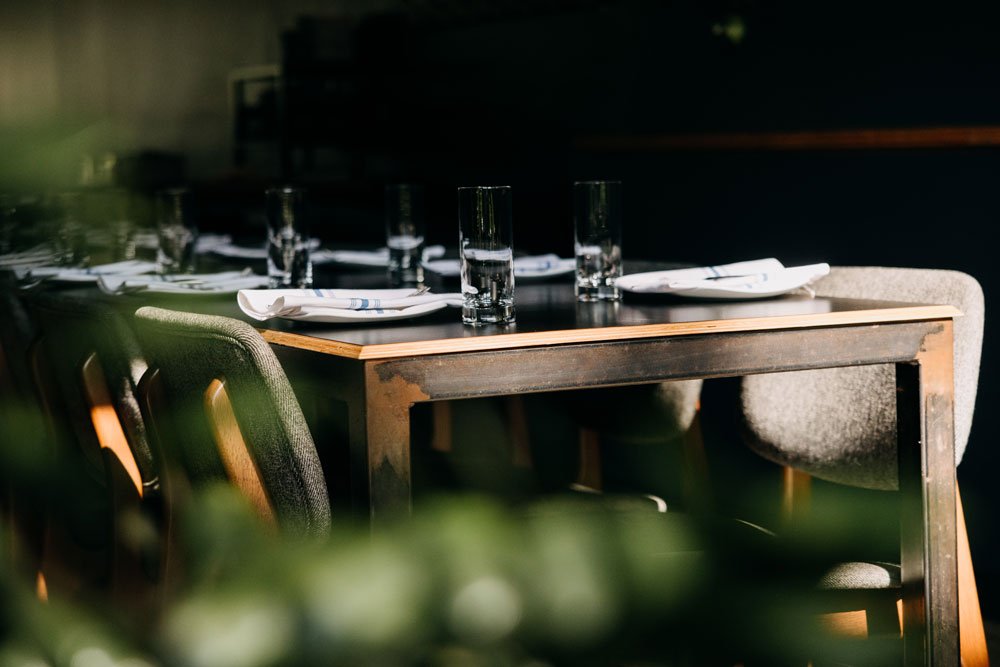
For non-food-related details, he notified the team about an upcoming closing and asked them to pay close attention to the quality of the linens, how they’re folded, and what to do with the ones in poor condition. He reminded the group not to begin breaking down tables before posted closing time, because it can make people with later reservations feel rushed and unwelcome.
The agenda included tips about how to communicate details with guests, like guiding them to wine selections based on their preferences. Because Selden’s wine list features unique varietals, some people may be unfamiliar with what they are. He explained that when someone asks for a Cabernet or Chardonnay, they’re sharing valuable clues that can be used to help them select something they will enjoy without embarrassing them.
“Knowing the menu, wine list and ingredients is part of the job. But knowing how to communicate that information without making a guest feel intimidated is another skill entirely.”
—said Fradeneck
The meeting concluded with the reading of a recent review praising one of Selden’s servers. The guest relayed how grateful they were that the server made them feel comfortable enough to ask questions. Fradeneck used the review to turn it into a lesson for the rest of the team.
“Remember restaurants are about how we make people feel. People will forget what you do and what you say, but they will always remember how you make them feel.”
—said Fradeneck
Fradeneck believes that some of the best examples of hospitality can be simple, like recognizing a guest who is looking lost and guiding them to the restroom. Or noticing when someone needs a place to hang their handbag, then retrieving a tableside hook from the host stand. He was proud to tell me the hooks were a six-dollar solution purchased on Amazon that has made an enormous difference. His line is always the same, he shared, before he picks it up and hangs it for them: “That’s a nice handbag. It shouldn’t be on the ground.”
“Again, it’s just anticipating that need, seeing the problem, then having a solution for it. “Really, all we did was pay attention.”
—said Fradeneck
Individually, these are small details. Collectively, they’re the skills required to make a busy restaurant flow effortlessly for the person sitting at the table. Fradeneck doesn’t watch from the sidelines either, he buses tables, cleans bathrooms, deals with plumbing and handles whatever else needs to be done. It’s that philosophy that will soon follow him to the next stage of his career.
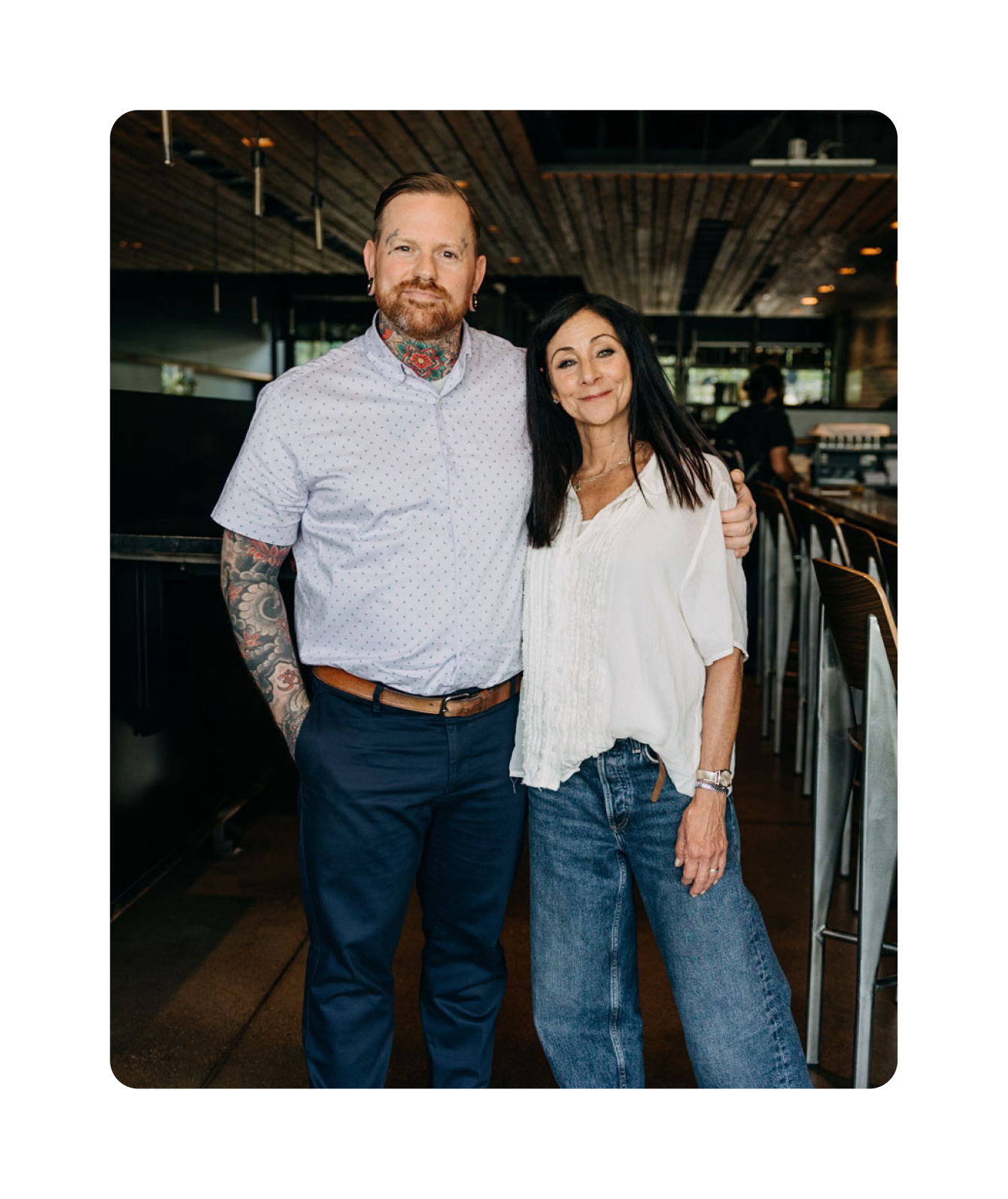
He shared that during the interview for the general manager role, Hollyday and Hansen asked where he saw himself in five years. His answer was as an owner/operator. Two years in, Fradeneck started discussing ideas and potential locations with Hansen. When a space on Agnes Street in Detroit’s West Village became available, the same neighborhood Hollyday lives in, they saw a real opportunity.
The three partnered with Chef Alex Jull, previously from Takoi. Jull and Fradeneck worked together at Mabel Gray, where they talked about one day opening a restaurant together. Agnes, which is also the name of Jull’s mom, will be chef-driven and feature European-inspired cuisine that’s focused on Michigan-grown products. For Fradeneck, it’s the opportunity to apply the skills he’s honed over three decades, just now in an ownership role.
“I will take all of that experience in restaurant, service and hospitality and can now really put my thumbprint on a space that will be my own.
—said Fradeneck
But today, his focus remains on the dining room at Selden, and the work ahead on a busy Tuesday night. He released the group, reminding them they had 30 minutes before doors opened to prepare. Before long, the kitchen would be sending dishes out to the dining room and into their capable hands, and Fradeneck has prepared them well. They understand the food and wine well enough to explain it, can suggest a complementary beverage and anticipate someone’s needs before they need to ask.
When a general manager can orchestrate all those details so that they come together as intended, it becomes one of the best examples of what great hospitality looks like. Those hundreds of decisions made before opening largely disappear once service begins. Most guests will never know how much preparation went into making their dinner feel effortless, but they aren’t expected to.
For Fradeneck, it’s OK if they don’t know everything that happened before they arrived. What matters most to him is that they enjoy a great meal and leave feeling extremely well cared for.
Selden Standard
3921 Second Ave, Detroit MI 48201
Reservations can be made at www.seldenstandard.com or by calling 313-438-5055.
Hours
5pm-10pm Daily