
The Season I Didn’t Plan For
Sometimes the most useful gardening tool is last year’s photographs.
Everything looks smaller, like tiny versions of what they normally are. To validate my suspicions, I scrolled the photos on my phone from this time last year, and the differences were remarkable.
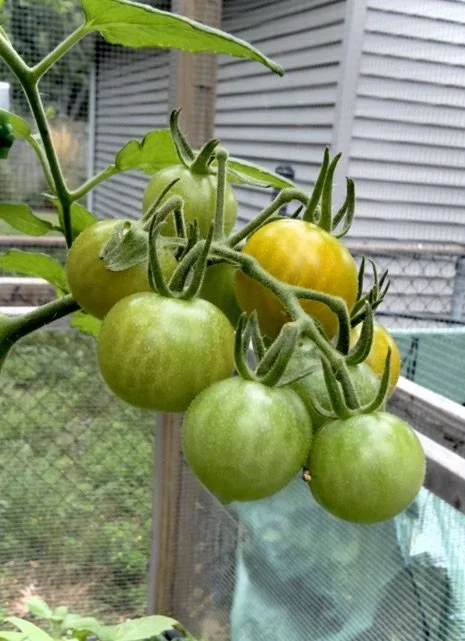
By the beginning of last August, my garden beds were overflowing with lush green foliage, and the plants were studded with vegetables. I realized that this year’s garden wasn’t just a little behind, it was more like weeks. The 2025 larger heirloom vines like Stiped German Cherokee Purple and Black Krim tomatoes ripened quickly, and they were larger than the ones on the 2026 vines. I flipped through images of bowls overflowing with zucchini, eggplant, cucumbers, carrots, onions and more. I am getting some of these this year, but at nowhere near the rate of previous seasons.
To get some answers, I began researching the 2026 growing season. I realized quickly that many gardeners across Southeast Michigan were facing the same frustrations.
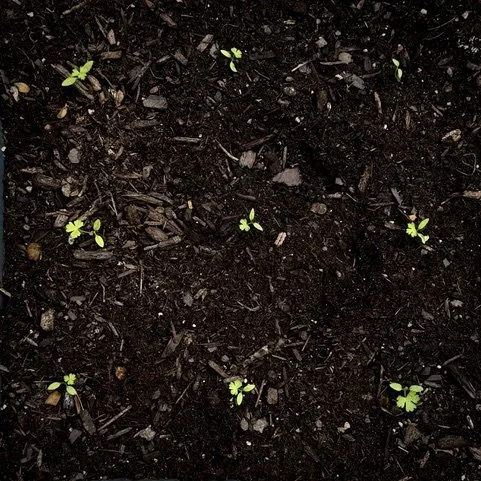
Our area started with an unusually early warm stretch that encouraged plants to begin growing. But that period was followed by several days of unexpected heavy rain and freezing temperatures, which shocked the plants at a tender stage of growth. There were two oppressive heat waves and a dry spell, before our sky was blanketed by the Canadian wildfire smoke.
A Michigan State University Extension’s Field Crop Assessment reported a 25 percent reduction in the amount of solar energy during that time, which can slow growth. Another MSU Extension vegetable crop report helped make sense of the gaps in the garden’s productivity. It noted that temperatures in the 90s reduces photosynthesis, causing the flowers to fall off before developing fruit. That’s likely why my tomatoes had an initial cluster but didn’t flower again for several weeks.
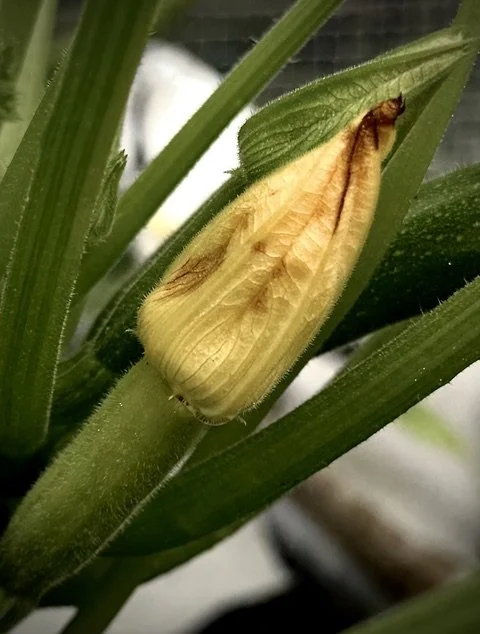
Other vines struggling are the zucchini and squash, which remain unsuccessful at producing any viable offspring so far. The high temperatures produce a hormonal shift, causing them to stop making female flowers to save energy. If they find their way this season, they’re prone to fungal diseases and blossom-end rot, a condition where the fruit rots at the flower end. It’s treatable with calcium and magnesium, but fungal issues become harder to control with so many susceptible plants nearby.
After reviewing this season’s setbacks, I could see that instead of the garden growing, it was spending its energy just trying to recover. The plants that haven’t revived are being replaced with items that can mature within the next 90 days or so. There’s still time for faster growing vegetables, like beets, radishes, green beans, carrots and onions, and certain types of small tomatoes, cucumbers, zucchini and squash.
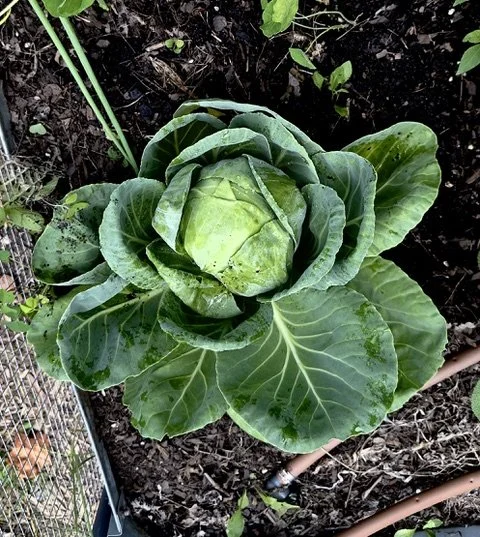
The Swiss chard hasn’t taken off yet either, but I’m giving it more time because it could still rally. Many of the baby broccoli tanked during the heatwave too, but not all. I kept the cauliflower plants that produced heads, and the cabbage is smaller than I expected, but are still growing. The dahlias are finally blooming but are not as tall as they were last summer either.
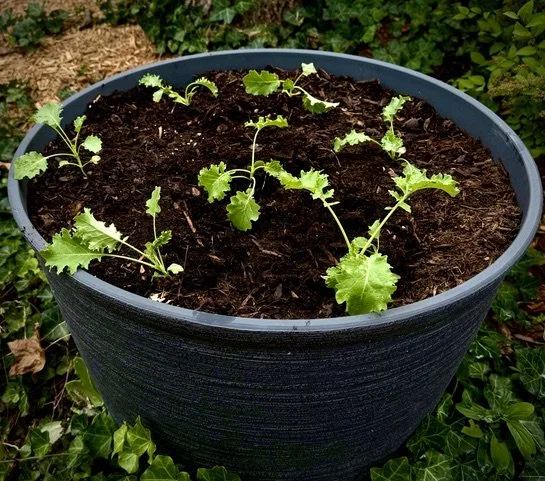
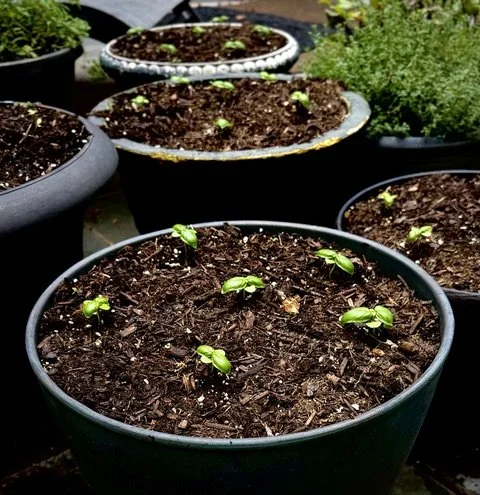
I usually restart herbs seeds like basil and parsley in August, because they are older, fading and starting to flower. It’s hard to remember that a plant’s goal isn’t to feed us — it’s to reproduce, a process we interrupt with every harvest. Left on the vine, they would produce only a handful of successors before completing their mission for the season. By taking the fruit, I encourage the plant to keep trying.
Overall, the garden isn’t a total disappointment, but it’s also not what I planned back in January when I was ordering seeds. This is the point in the season where I must let go of what didn’t work and appreciate the things that did. The carrots are as sweet as candy, there are green beans for dinner, and every ripe tomato still delivers that dependable burst of sweet summer flavor.
This season has been a reminder that no two growing seasons are ever alike. They all bring their own challenges, which keeps it interesting and always teaches me something new. After all, the lessons I learn this year will become the foundation for next year’s plans.