
Every Plant Has a Deadline
A gardener makes decisions about what stays, what goes and what still has a chance to grow.
By the end of July, I start to look at my garden differently.
Everything planted in the spring grows quickly because of the strong sun and longer days. There’s a sense that anything is possible because there are plenty of growing days still ahead.
But after that mid-summer milestone, I realize that the vegetable garden’s days are numbered. I start to evaluate each plant by whether it makes sense to keep it going. There are choices to make: Keep investing or have faith that something else will reach maturity in the time remaining.
For example, the leaves on my eggplants are tattered from flea beetles that keep chewing on them. I’ve applied neem oil and insecticidal soap, but neither is helping much.
Earlier in the season, I would have started new seeds or replaced them with healthier plants from a nursery, but those are no longer in stock. There’s not enough time for a new seedling to reach maturity, so my choices are limited. Either keep treating them or replace them with a varietal that can do better there. It’s always tough accepting the loss of a crop when it’s simply because you run out of season. For now, I’m working to save them.
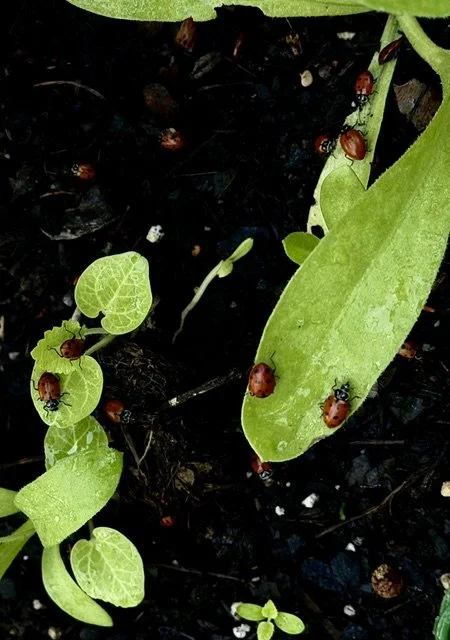
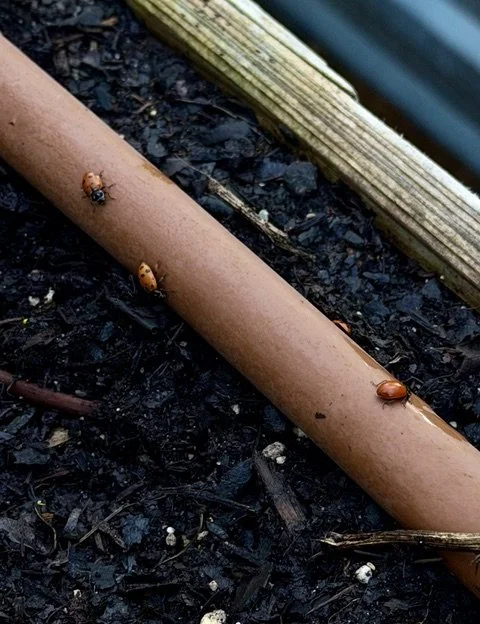
To do this, I’ve upped my natural pest protection plan to include ladybugs, another beneficial garden insect. It’s counter intuitive to my aversion to bugs, but they’re easy to become friends with because they’re cute. They look like little red jewels against the green foliage, and not many bugs can say that. For several years I’ve been ordering 1,500 live ladybugs online that come bi-weekly from NaturesGoodGuys.com. They arrive refrigerated, which keeps them dormant until I plan to release them in the garden. It’s fascinating to see them slowly wake up, disperse and get to work.
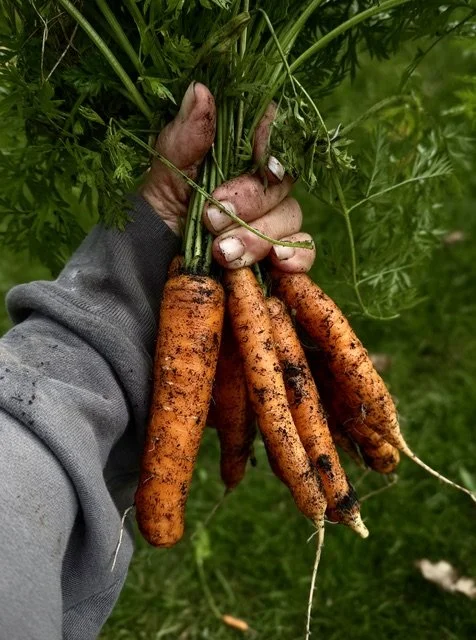
The Swiss chard isn't growing great this year either, but there’s time to turn things around, which keeps them safe from the compost pile for now. They aren’t producing those broad, colorful, lush leaves that they usually do, which is disappointing because they’re usually so hearty. On the upside, there’s been a steady supply of lettuce, green beans and carrots thanks to planting them in intervals. It’s a great approach for fast-growing vegetables like these because you can turn over several rounds throughout the season.
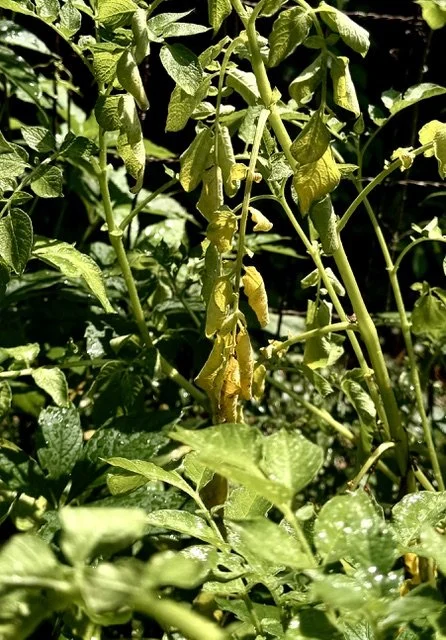
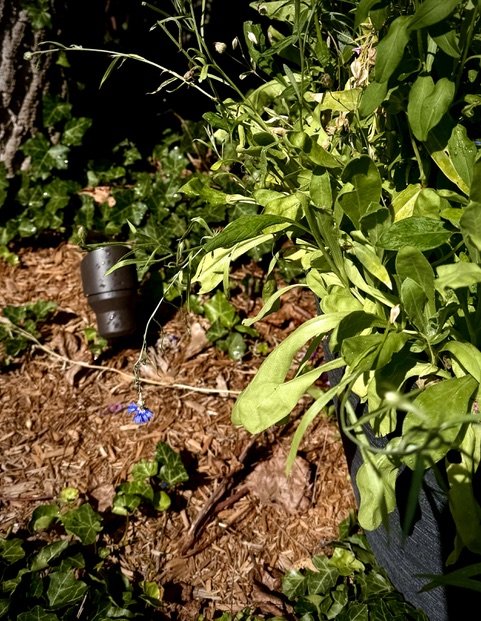
I’ve replanted the baby broccoli once, but not all the seedlings survived an oppressive heat wave and several days without rain. The wildflowers around the garden keep getting taller, but the ones in planters look stringy and are starting to lean over. I’m already rethinking where to put them next year. I’m loving the regular bouquets, but I didn't get the vast wildflower field I was aiming for.
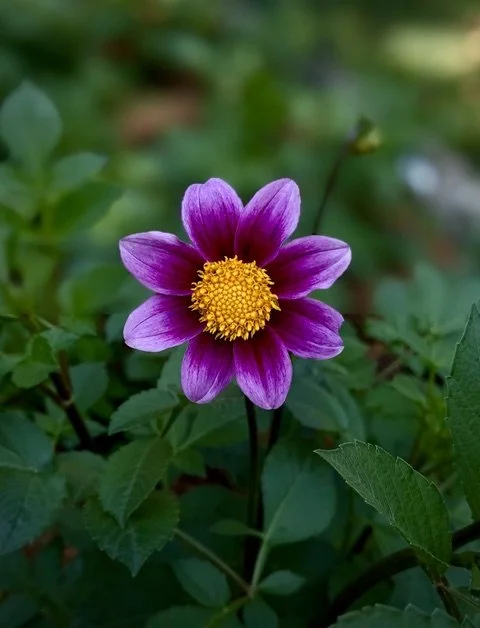
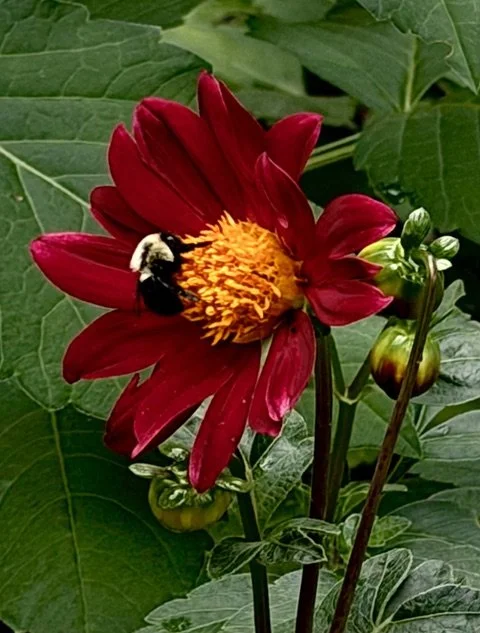
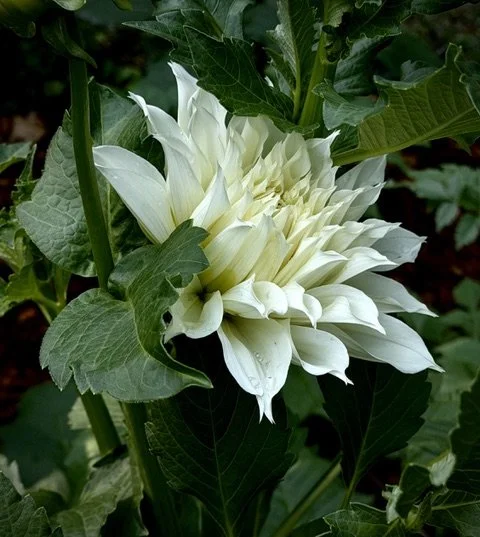
On the upside, the dahlias are taking off and starting to flower. I’m staking the plants that are struggling to stay upright as they get taller. The tomatoes are loaded with fruit that’s ripening, but the plants on the south side of the bed are noticeably smaller than their neighbors to the north.
The zucchini is fruiting too, but these don’t always make it. They’re prone to blossom-end rot, a condition where the zucchini starts to rot at the end. I give them calcium and magnesium to help prevent it, but I also need help from the pollinators for them to produce fruit. Then there’s the hope that fungus or disease doesn’t take hold. There are too many other susceptible plant species nearby, and problems can spread quickly in close quarters.
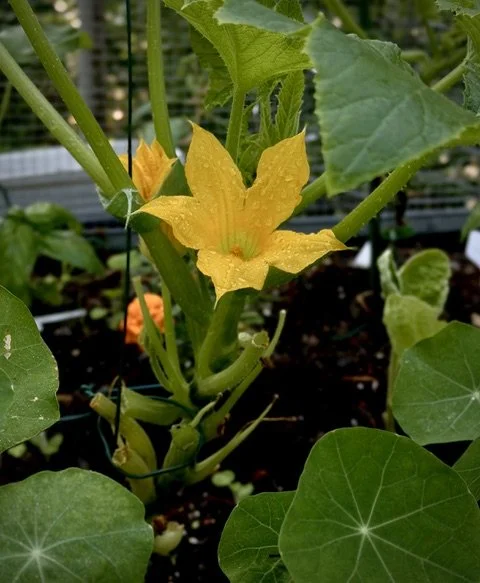
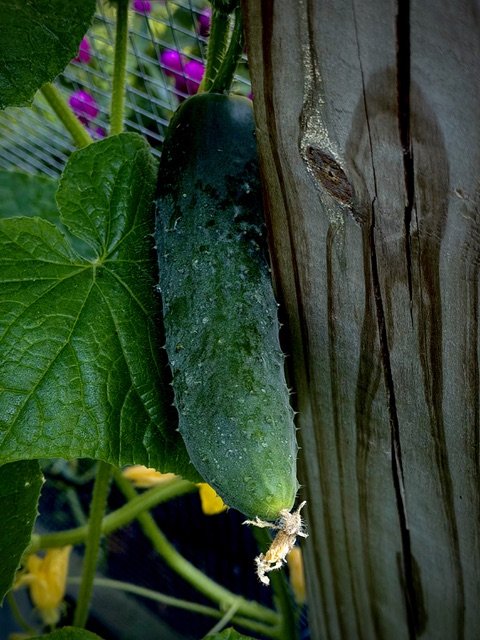
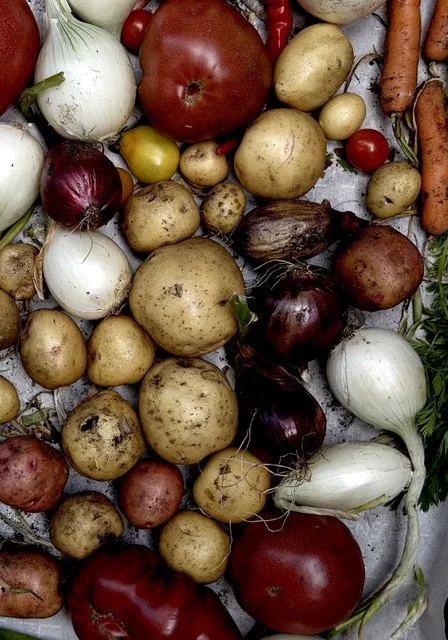
The potato greens are flowering and will eventually start to turn brown. Once the foliage dies back, it's time to dig up what has been growing underneath them. I’m pulling the first round of carrots, which are sweet and delicious. I’ve stolen a few cucumbers that probably could have used more time on the vine, but I was just too excited to wait. Besides, harvesting regularly while the plant is active forces it to make more fruit, and the goal here is to keep getting more cucumbers.
That's gardening in the middle of summer. I am celebrating the successes, accepting some losses and looking for the next opportunity. Every empty space becomes another chance to grow something, which makes pulling a struggling plant a little easier.
After all, there’s always something else waiting for its turn to grow.