
Every Dish Has a Story
How Chef Anthony Lombardo uses Medusa to explore Sicily's history, culture and traditions—one dish at a time.
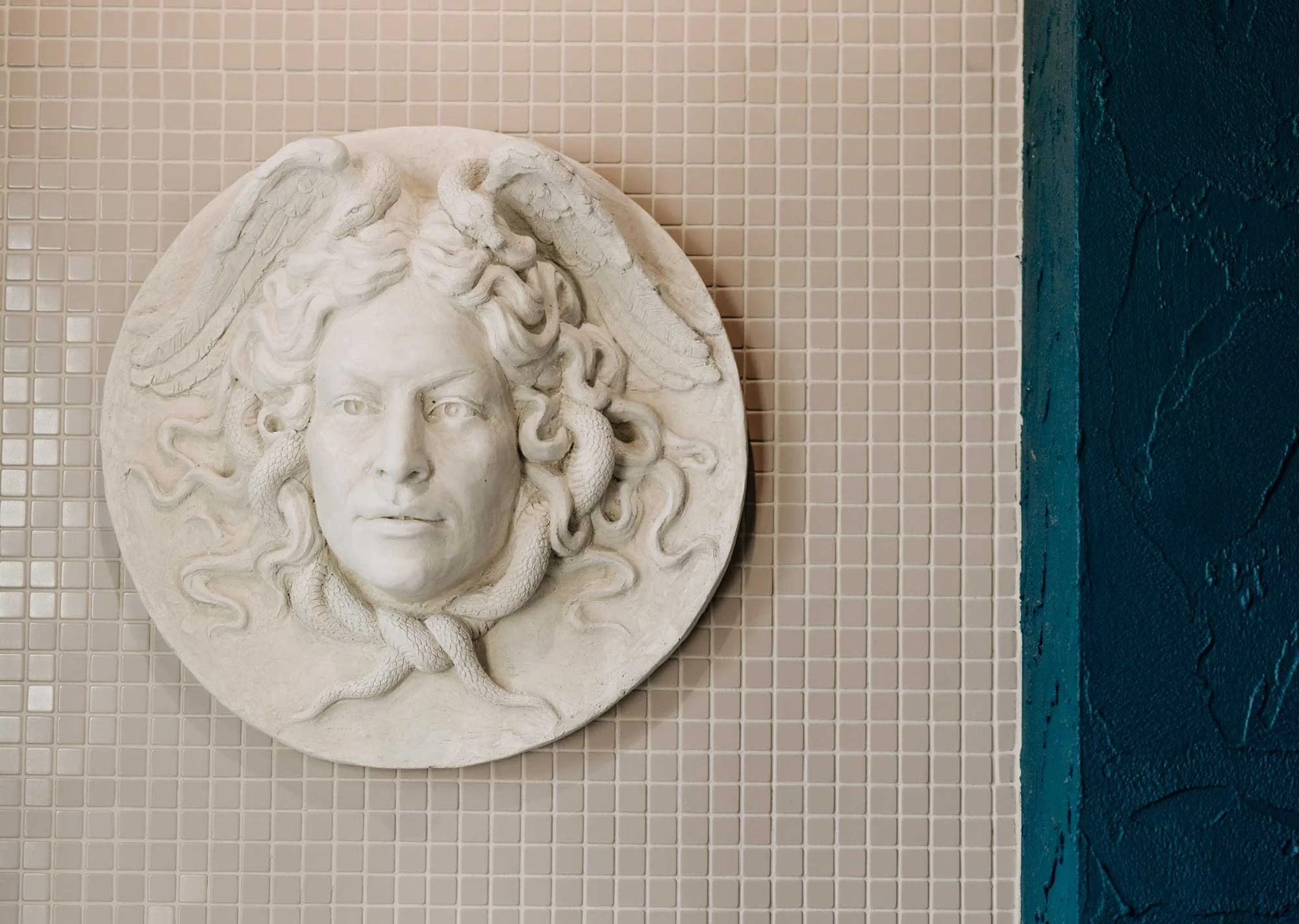
I spent several days reading about Sicily before I met with chef/restauranteur Anthony Lombardo at Medusa. I wanted a better understanding of the island itself before our conversation.
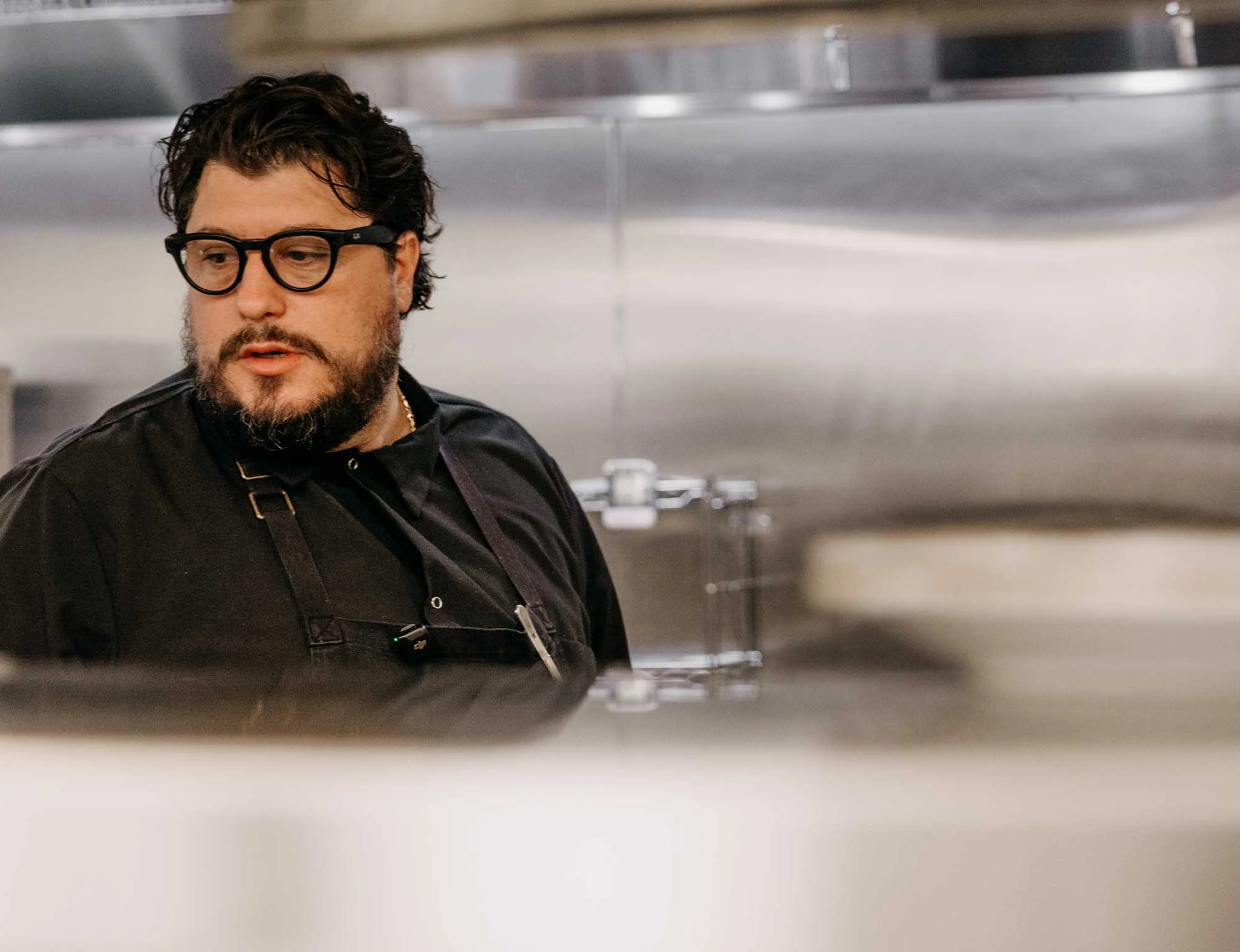
I'd already eaten there and knew instantly why I wanted to tell this story. Medusa isn't just about serving delicious Sicilian food. It's a lesson in the culture, history and traditions that define the cuisine. Award-winning Lombardo is a storyteller, with a mission of giving context to the ingredients and flavors he chooses for his menus.
“I think every chef and restaurateur's job is to be a storyteller. In a way, we can all tell a story through our restaurant.”
—said Lombardo
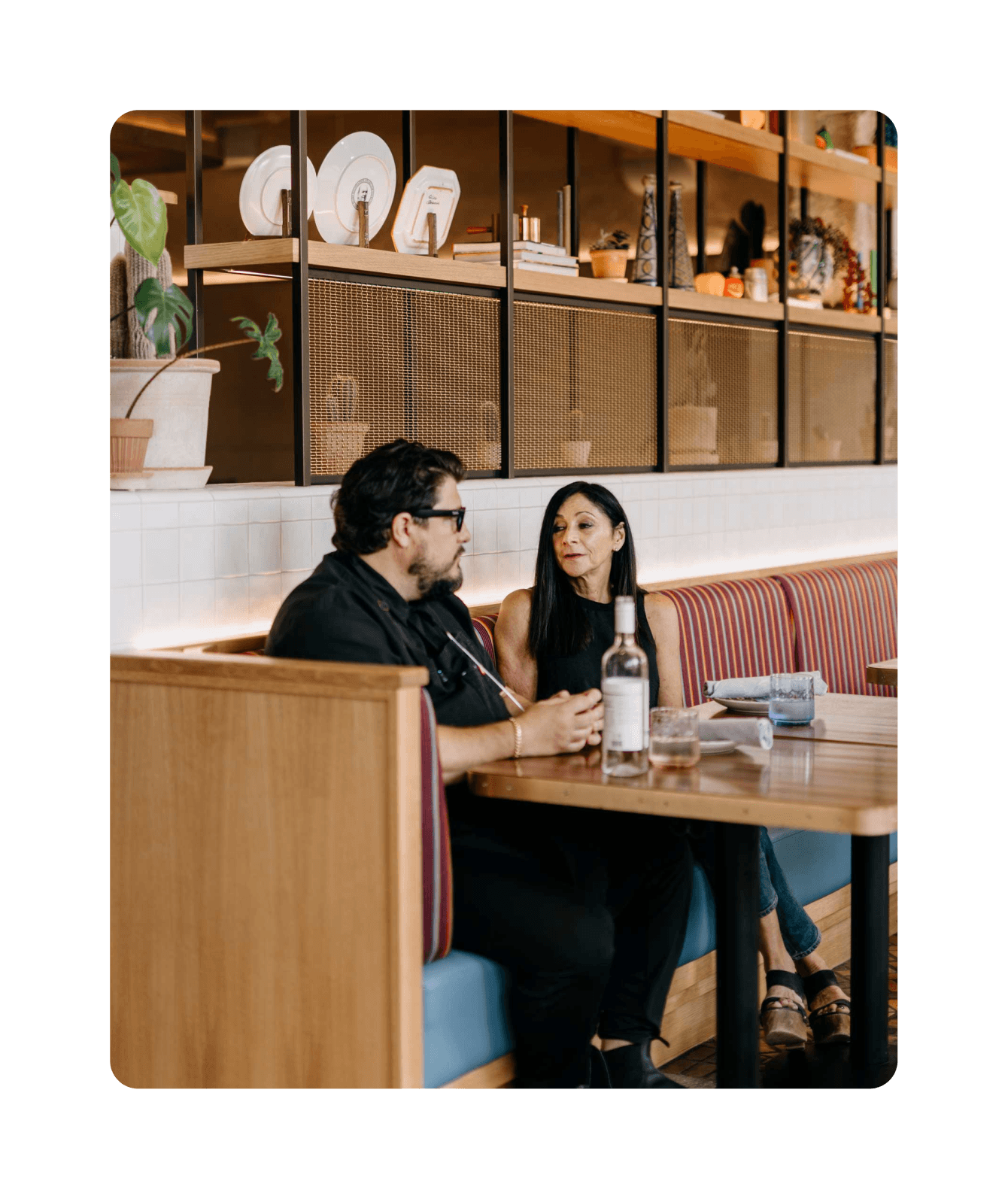
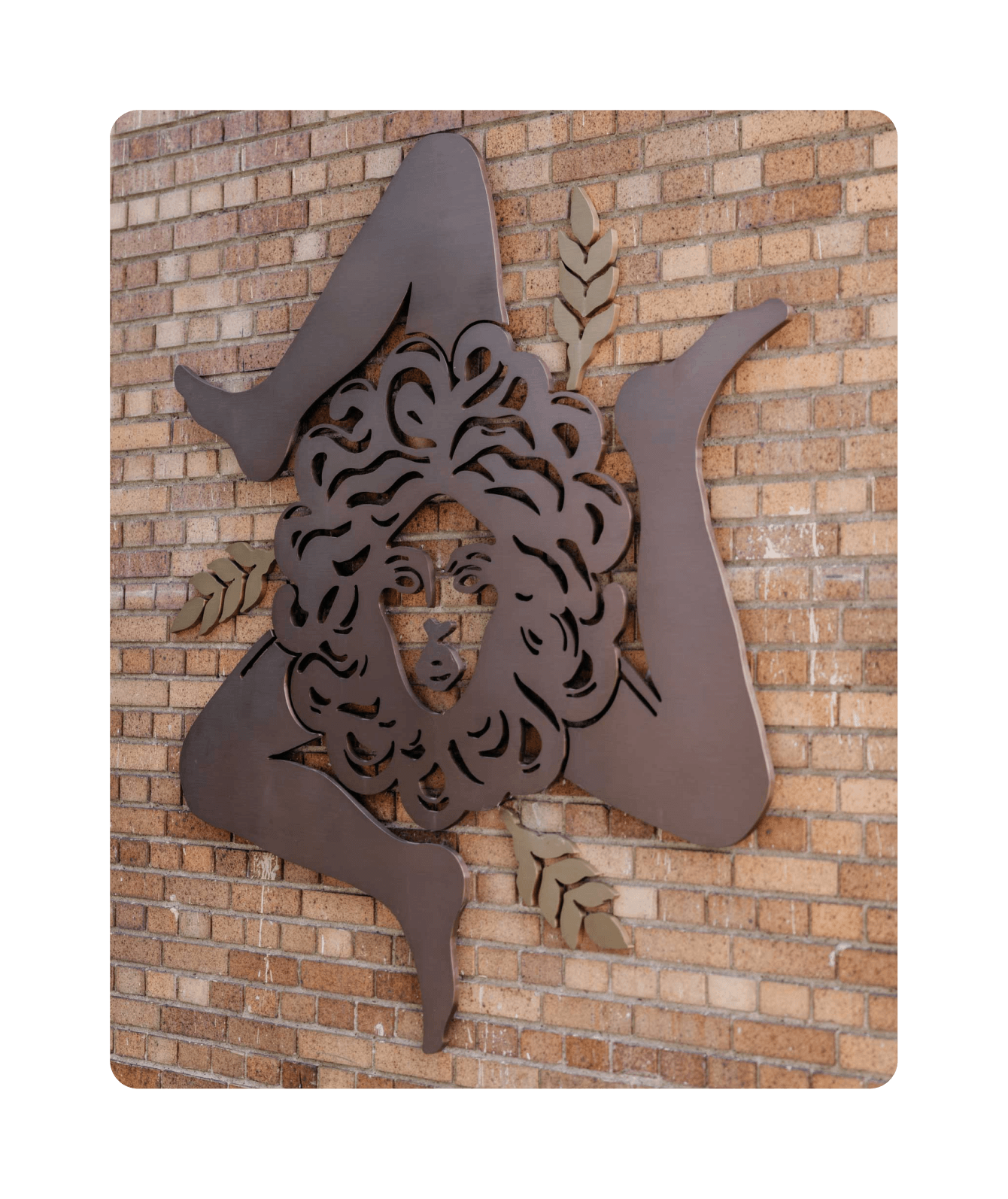
Medusa Cucina Siciliana, which opened this year is the second restaurant that has benefitted from Lombardo’s storytelling skills. There’s the award-winning SheWolf Pastificio & Bar just down the street that explores modern Roman cuisine, which has been celebrated in the media since opening in 2018.
Sicily has a nearly 3,000-year history of migration and trade thanks to its prime location in the middle of the Mediterranean. It's had no less than 13 conquerors, with each civilization making a unique contribution to the food. New ingredients, farming practices and cooking techniques blended with the traditions already there, adding another layer of complexity to the cuisine.
The Greeks expanded vineyards and olive cultivation. The Romans established Sicily as one of the Mediterranean's great grain producers. The Arab influence transformed agriculture through advanced irrigation while introducing citrus, almonds, saffron and couscous. The Normans refined preservation techniques, and tomatoes and peppers eventually arrived from the New World with the Spanish.
That history isn't only tucked away in books and museums, it comes to the table at Medusa, with every dish telling a part of Sicily's journey. Some chefs focus on reproducing traditional recipies, but Lombardo shares why they exist, which is something entirely different.
“Basically, an empire would come, take over, bring their chefs, their cuisine and their ingredients, and change the style of cooking for the whole island. Rinse and repeat a few more times, and you have what I call the original fusion cuisine.”
—said Lombardo
Lombardo regards the couple hundred years of Arab rule as one of the most significant periods of advancement in Sicilian society. They made contributions in agriculture, math, science and culture, but feels their culinary imprint on Sicily changed the food game the most. From just off the toe of the Italian boot, the Arabs brought ingredients like citrus, couscous, eggplant, pistachios, almonds, rice, saffron and sugar. They also introduced the cannoli, which he considers Sicily's gift to the world.
According to legend, cannoli were first made by the concubines of an Arab emir in honor of his sexual potency, which explains their phallic shape. The “women of the castle” eventually handed their recipes over to the nuns, who cherished the traditions of pastry making. The monastery overhauled the pastry’s morals with pagan rituals, serving them at carnival to celebrate joyful abundance before the start of Lent.

“You can find a cannoli in Des Moines, Iowa or in Shanghai. That delicacy came to fruition from the Arab rule of Sicily.”
—said Lombardo
Another example closer to his heart is couscous, a dish most Americans associate with North Africa. Being right across the strait from the island, it's been a part of everyday cooking for centuries. Sicilian couscous is smaller and very fine, perfectly steamed and bathed in a flavorful broth.
“This is technically Italy, serving a North African dish all along the west coast of Sicily. That's what I mean when I talk about the original fusion cuisine.”
—said Lombardo
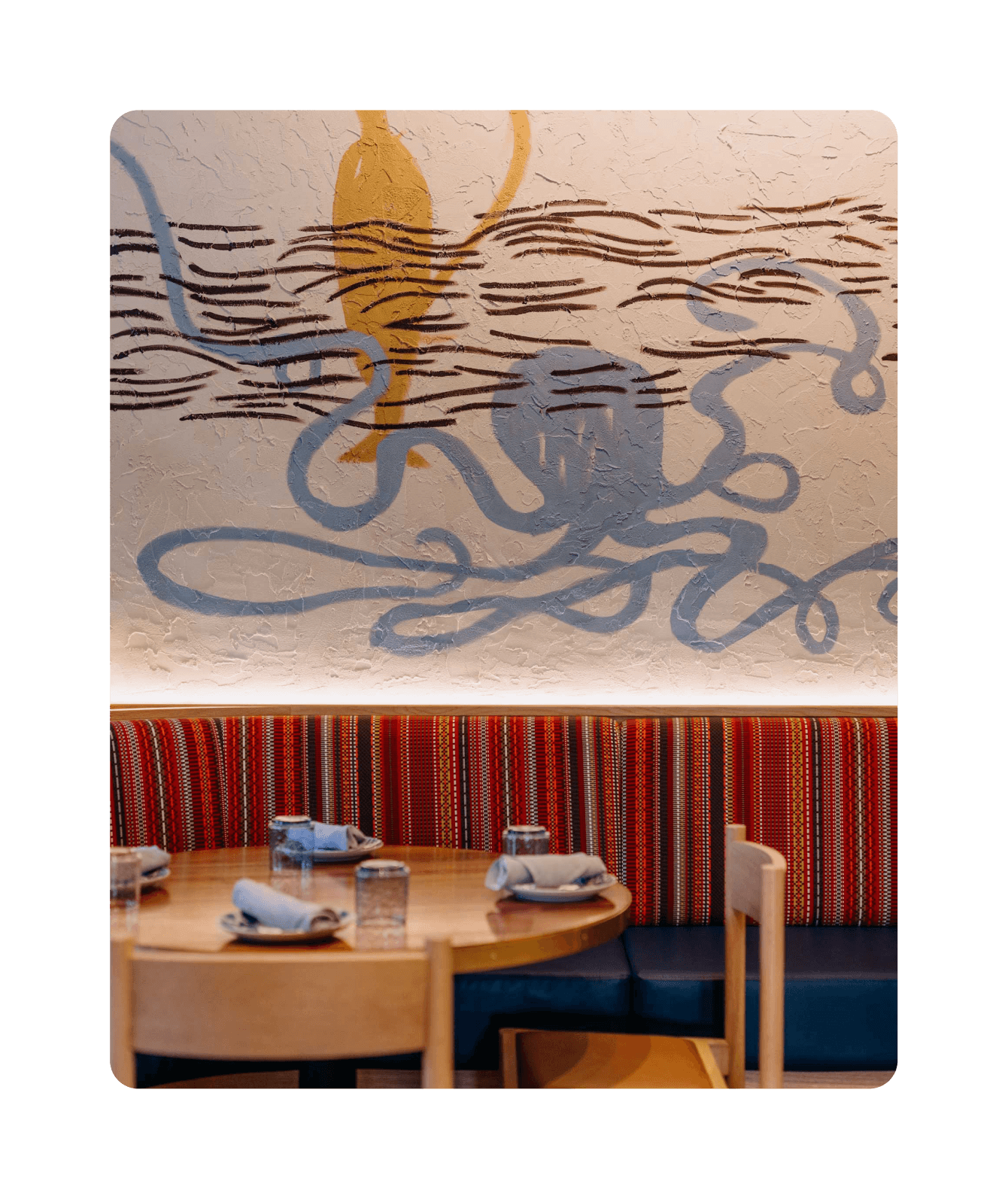
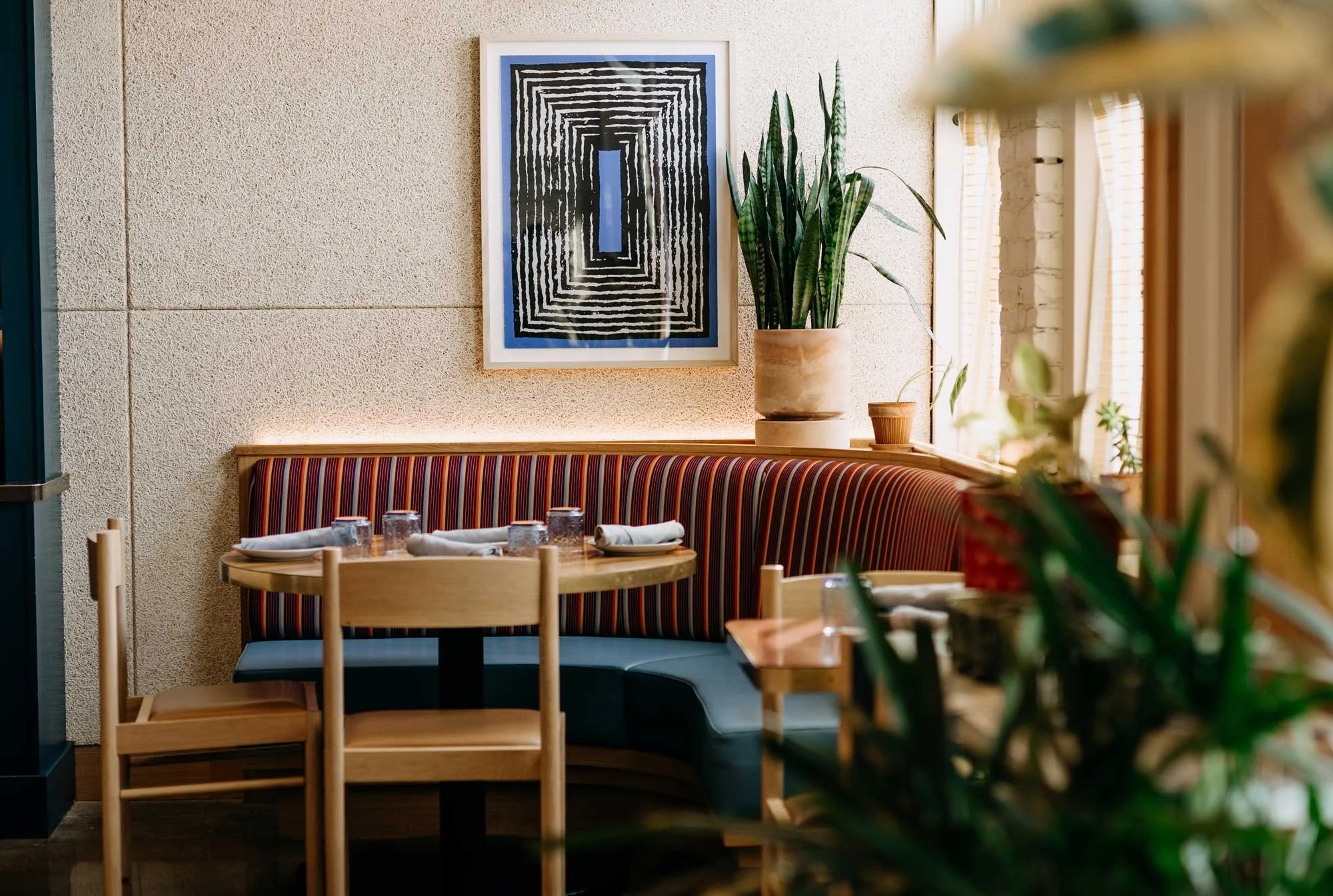
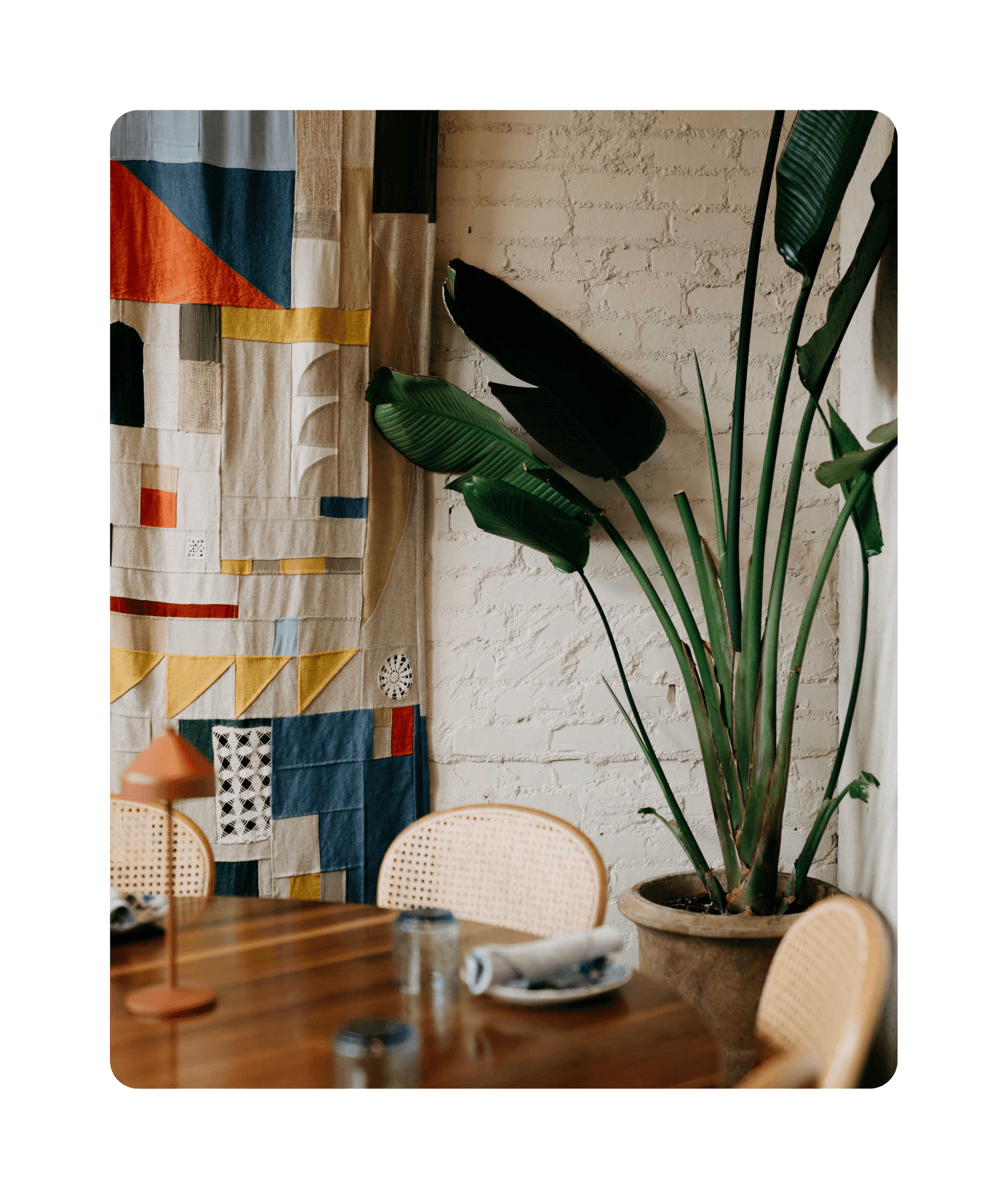
The atmosphere at Medusa is light and airy, embellished with bright blue accents and mythology inspired art. There’s a cozy wrap-around bar which is serves as the visual and energetic focal point of the dining room. To experience as much of Lombardo's interpretation of Sicily as possible, I ordered the tavola trinacria ($90) from Medusa's new family-style tasting menu that allows the kitchen to guide the meal. A wine pairing is also available ($75) with a choice of elegant wines in the Tucci selection, or more experimental varietals in the Gaga option.
The tour began in Palermo, with an introduction to a typical Sicilian breakfast of warm brioche with almond granita. Made from fresh almond milk, water and sugar, the ground almonds are kept in the base, with more added to enhance the flavor and create texture. Never fully frozen, it is used here as a sweet and nutty spread for the brioche.
I enhanced the tasting with the la pescheria offering ($18), a trio of raw and chilled seafood dishes reflecting Sicily’s relationship to the sea. Inspired by the famous fish market in Catania, the presentations are simple and clean, allowing the quality of the seafood to shine.
Tonno, bluefin tuna resting in a punchy ponzu sauce with melon; involtini, delicate blue crab wrapped in a zucchini ribbon, finished with an amoglio tomato sauce and grated pecorino sardo; and a tender seafood salad of calamari, grilled octopus and poached shrimp brightened by a zesty caper dressing.
The next round shifted to Sicily's comfort foods. Sfincione, considered Sicily's pizza, has a crunchy, oven-crisped crust with a remarkably soft and spongy interior from a long fermentation. It's topped with a slow-cooked tomato and anchovy ragù for an umami punch. It’s finished with breadcrumbs and Caciocavallo before baking, a semi-hard cheese that’s subtly spicy with tangy notes. The panelle is a curry and cumin-scented chickpea fritter served with an olive oil aioli and drizzled with Calabrian honey. The flavors bounce playfully between savory, heat and sweet notes, which kept me busy guessing the ingredients.
The pasta course included gnocchetti Sardi, small semolina dumplings coated in a rich beef, pork and salami ragù with a dollop of chèvre for a tangy contrast. The busiate alla Trapanese is a twisted pasta with Sicilian style pesto, breadcrumbs and mussels. Pesto Trapanese is a popular regional condiment made from roasted tomatoes and almonds, with a nod to the city of Trapani.
Polpette di pesce spada, or swordfish meatballs with pine nuts and bread in a spicy nduja sauce, showcased another regional tradition. Nduja is a spreadable, spicy fermented sausage, made from spare cuts of pork, that originates from a small village in Calabria. It follows the cucina povera traditions of utilizing the whole animal, a skill Lombardo honed working as a butcher in Piemonte.
“In Italy there's a term called cucina povera, which is essentially the kitchen of poverty. A lot of Italian cooking uses the cheapest ingredients available to sustain your entire family for weeks.”
—said Lombardo
The lamb chops, agnello scottadito, are a nod to the Arabic and Roman cultures that introduced livestock like sheep and goats to the island. The whipped ricotta they’re nested in is courtesy of the Greeks, who brought ricotta cheese forward, while the Calabrian bomba, a concentrated smoky hot pepper spread, comes from the Calabria region in southern Italy.
To close the meal, pastry chef Alyssa DiStefano delivered a trio of sweets including lemon-scented buttery shortbread cookies sandwiched around a heavenly orange blossom cream, a mini cannoli pastry and a pistachio and strawberry nougat candy called torrone.
It’s clear that the construction of the dishes at Lombardo’s restaurants don’t happen by accident. They are the result of decades spent studying Italian cooking by immersing yourself in a culture and living it. After graduating from the Culinary Institute of America in 2004, Lombardo borrowed $10,000 to go to Italy and promised himself he would stay until the money ran out.
He ended up staying for more than two years by working in restaurants for little more than a place to sleep.
“I was able to get a lot of cooking jobs that paid cash under the table. It ended up being enough to keep my bank account at a level where I didn't have to move home yet.”
—said Lombardo
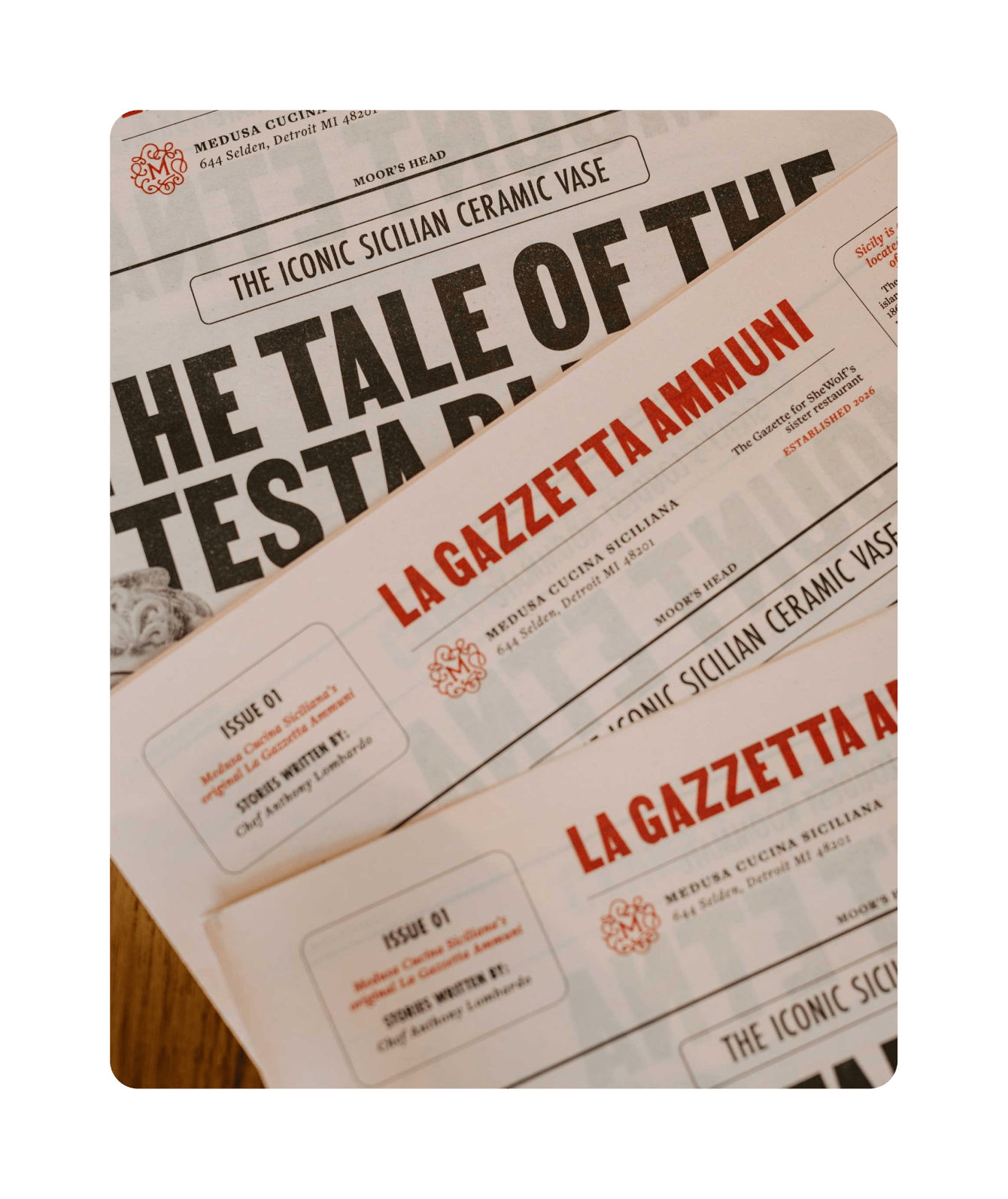
Lombardo's time in Italy forever shaped the way he approaches cooking. After years of working in kitchens across Italy, Washington, D.C., and Michigan, his passion for authentic Italian food led to opening his award-winning restaurant SheWolf. The two-time James Beard Award semifinalist for Best Chef: Great Lakes set out to change people's perception of Italian American cuisine by serving Italian food that's as authentic as possible.
“The goal for SheWolf was to build a restaurant you could take from here and drop in the middle of Rome, and it would be a successful restaurant. The same thing is true for Medusa, which if we relocated to Palermo, would be a successful restaurant for Sicilians there.”
—said Lombardo
That kind of commitment to authenticity stems from an unwavering sense of responsibility that extends beyond the walls of his restaurants. Whether serving on nonprofit boards, co-founding Detroit Kitchen Terminal, partnering with charitable organizations or hosting fundraising events, Lombardo has long believed a chef's role doesn't end when service is over.
During the pandemic, that belief was evident as he jumped into action to feed first responders and worked to get aid into the hands of struggling hospitality workers. That same sense of duty and generosity also extends to the next generation of chefs which spurs him to teach what he’s learned to others.
“Your duty as a chef is that you have a unique talent and skillset that's important to share. There are no robots doing this job yet, no AI, so we have to make sure the next generation is all set and has a craft they can use to feed their family.”
—said Lombardo
The quest for learning and teaching will likely never stop for Lombardo. From exploring the traditions of Rome, he brought SheWolf to Detroit, and later Medusa after delving into Sicily’s culinary traditions. When I asked if he had another culture in mind to investigate next, he talked about one that has become deeply personal. He's not making any promises, but he hinted at the possibility of exploring ancient Babylonian and Chaldean food.
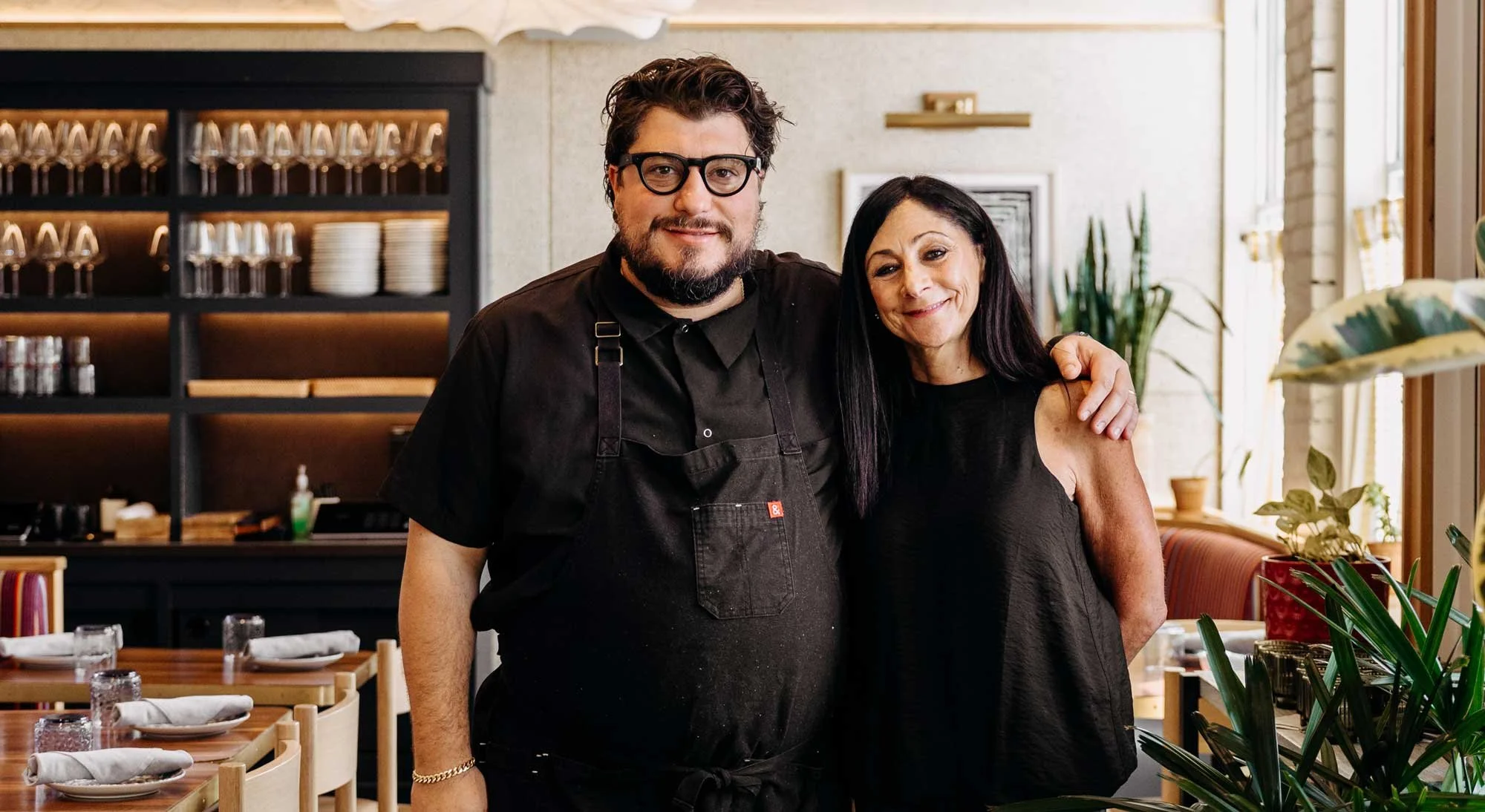
“My wife is Chaldean and my mother-in-law cooks a lot of traditional foods, which is interesting to me. They have similar ingredients to Sicilian foods but done in different ways like chickpeas, rice and lamb, which are also very humble ingredients.”
—said Lombardo
After hearing about Lombardo’s journey, food, history and culture, that idea seems entirely possible. But whatever he does next, he's sure to approach it with the same sense of curiosity that shaped the other chapters of his career.
Because for him, every new menu begins the same way—with a story worth telling.
Medusa Cucina Siciliana
644 Selden Street Detroit, 48201
Reservations can be made at medusa-detroit.com or by calling 313-798-3498.
Hours
Monday 5pm-11pm
Tuesday—Closed
Wednesday—Thursday 5pm-11pm
Friday—Saturday 4pm-12pm
Sunday 4pm-11pm