
The Chef’s Garden
How every seed starts as a plan for something delicious.
I start each gardening season with unprecedented optimism.
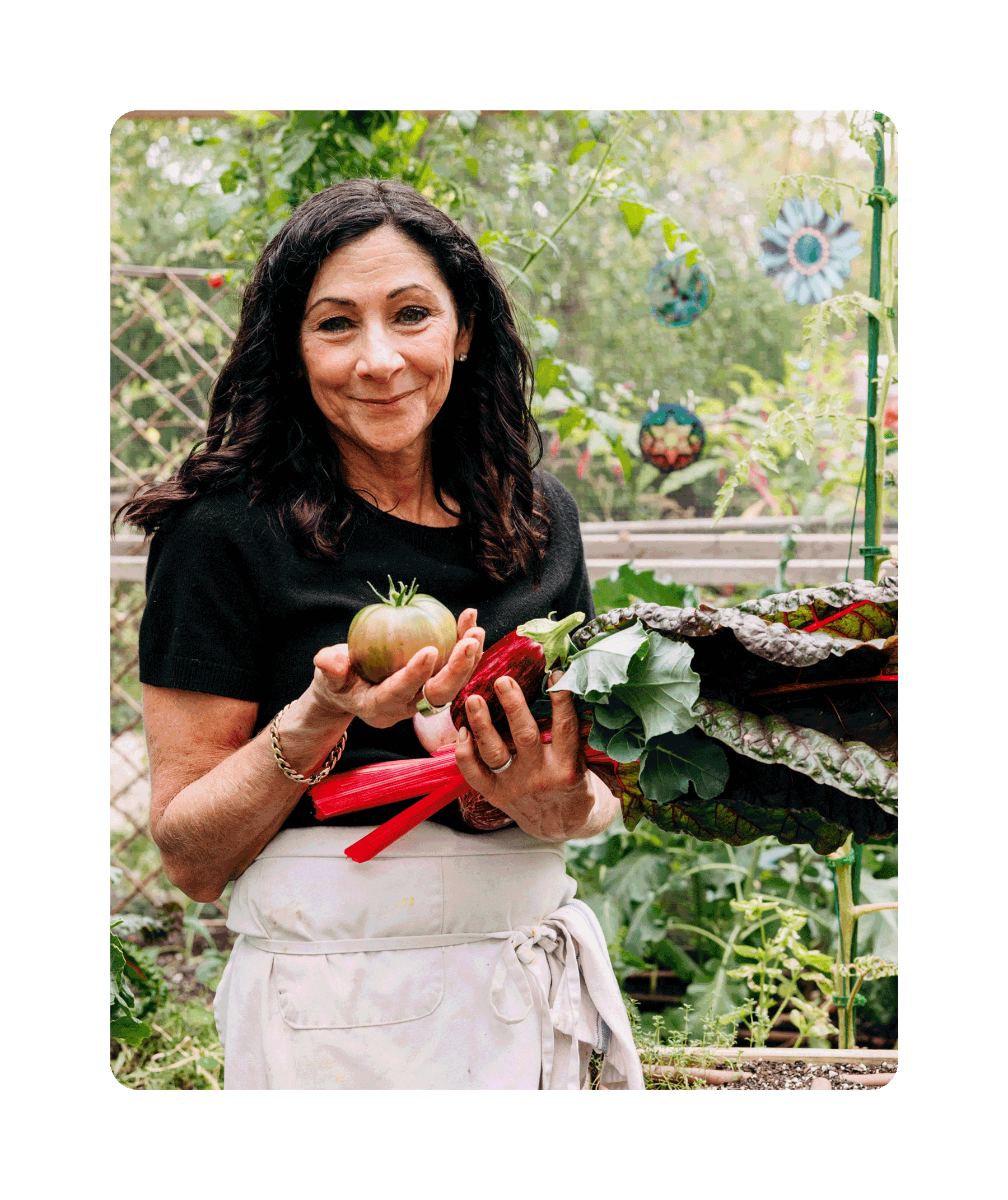
It begins in January, when last summer’s problems are behind me and more lessons have been learned. That’s when I start researching websites and ordering fresh seeds. I make my purchases fully convinced that this year’s garden will be the best one yet.
Next, I work on the garden map, which is more of a puzzle.
Not only do I rotate plant families through each bed every year, but I also consider the height of each species. Taller plants belong to the north, so they don’t block sunlight from shorter varietals. They all need to make good neighbors too, which is where thinking like a chef helps. The rule of thumb is when ingredients are found in a dish together, they typically grow well together, too.
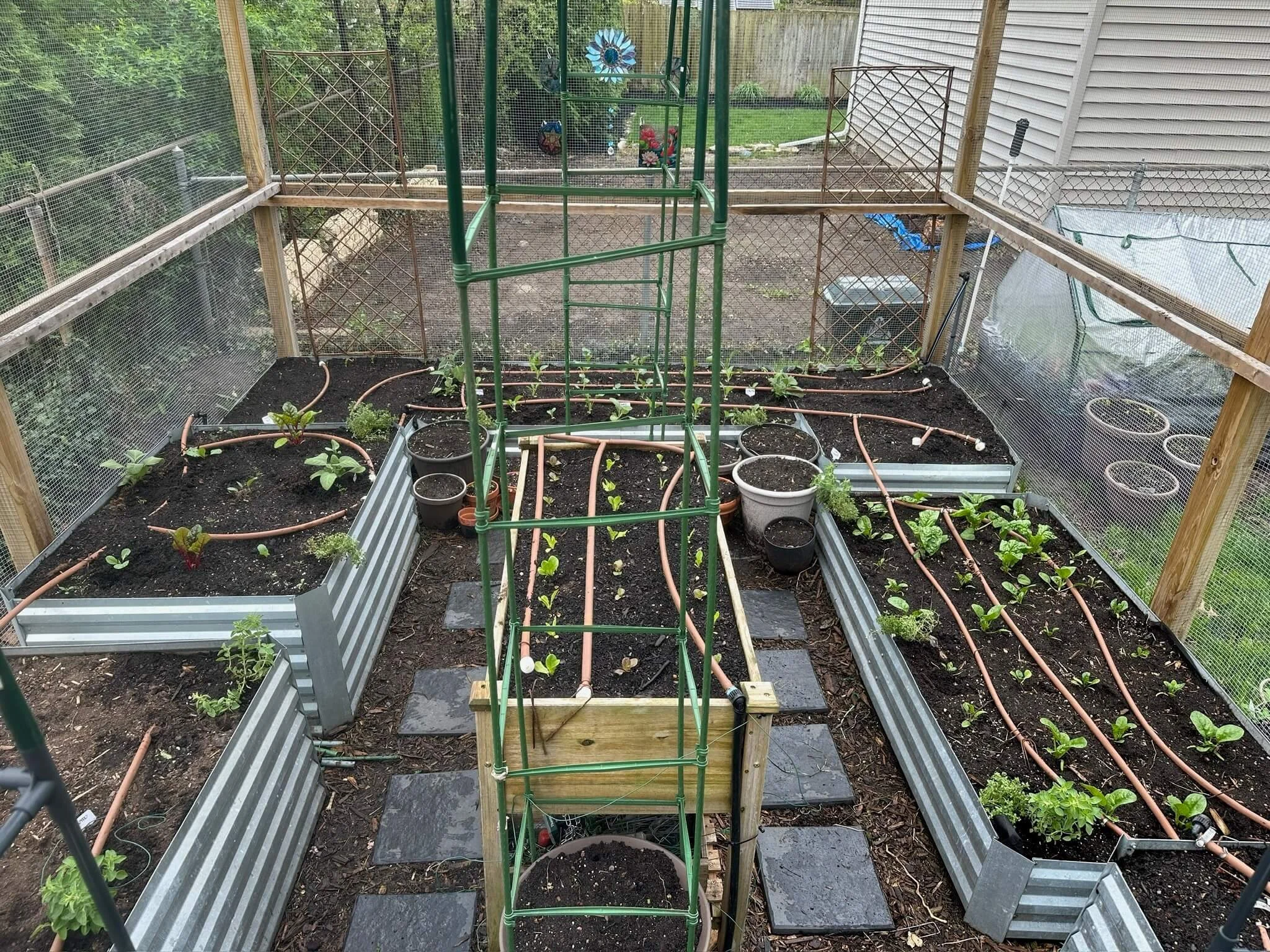
For example, cucumbers, peas and cabbage partner well with dill. Basil, oregano, parsley and thyme thrive near tomatoes and eggplant, while cilantro loves the peppers. Between all the herbs and edible flowers tucked into each bed, I secure enough biodiversity to attract pollinators and help with pests.
By mid-March, our home starts losing square footage to long tables and grow lights. Multiple seed trays with lids fill the room with cabbage, kale, herbs, celery, broccoli and cauliflower. They are the ones that kick off the season as they break through the soil and unfold upright to reach for the light. After just a few short weeks, they are tiny replicas of the plants they will eventually be. My onion, beet, carrot, lettuce, chard, spinach and potato seeds go directly into the ground, and are already making an appearance.
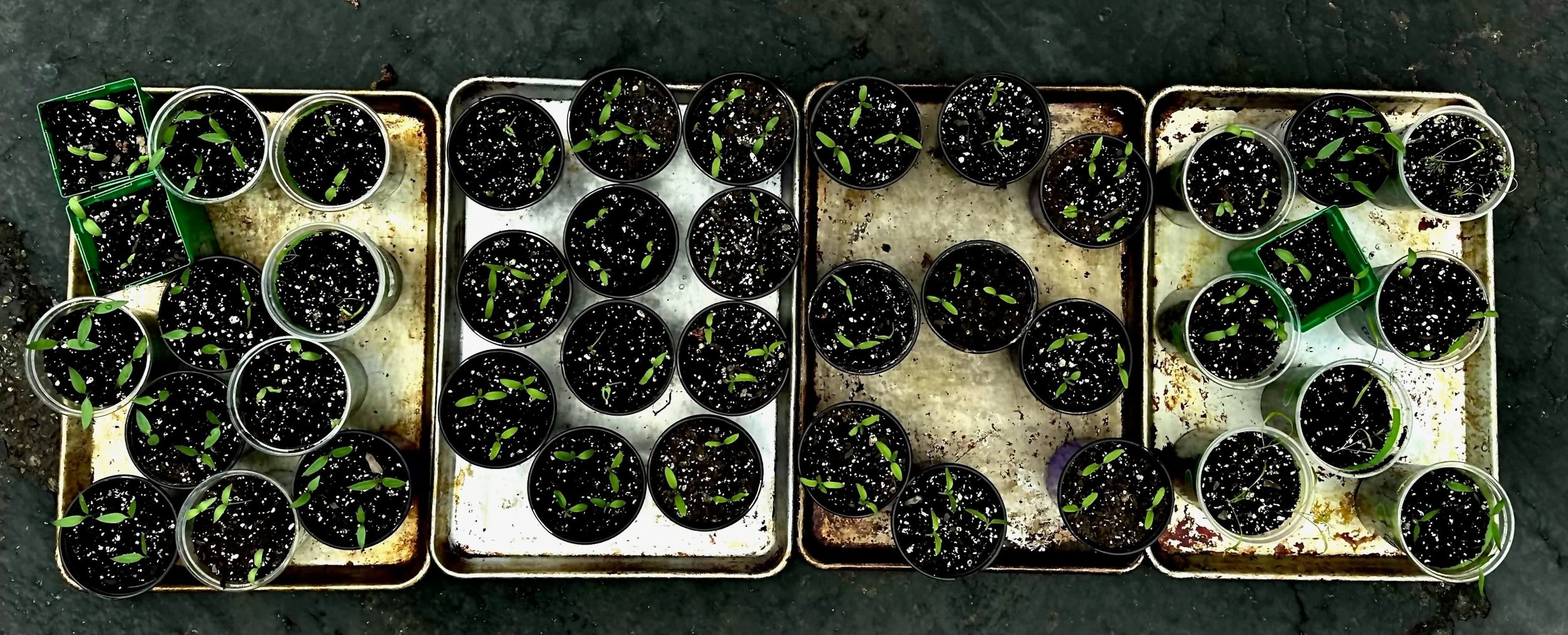
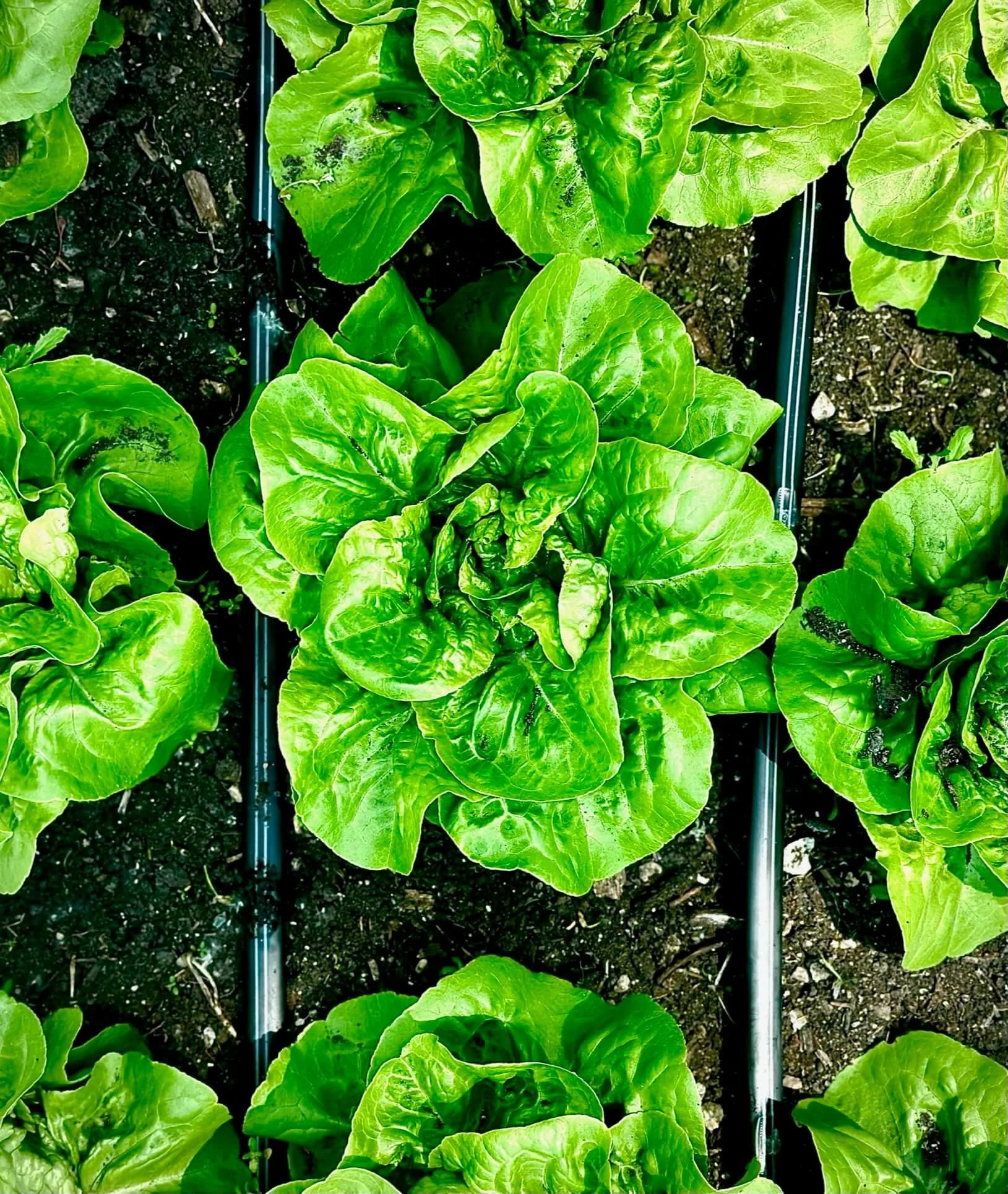
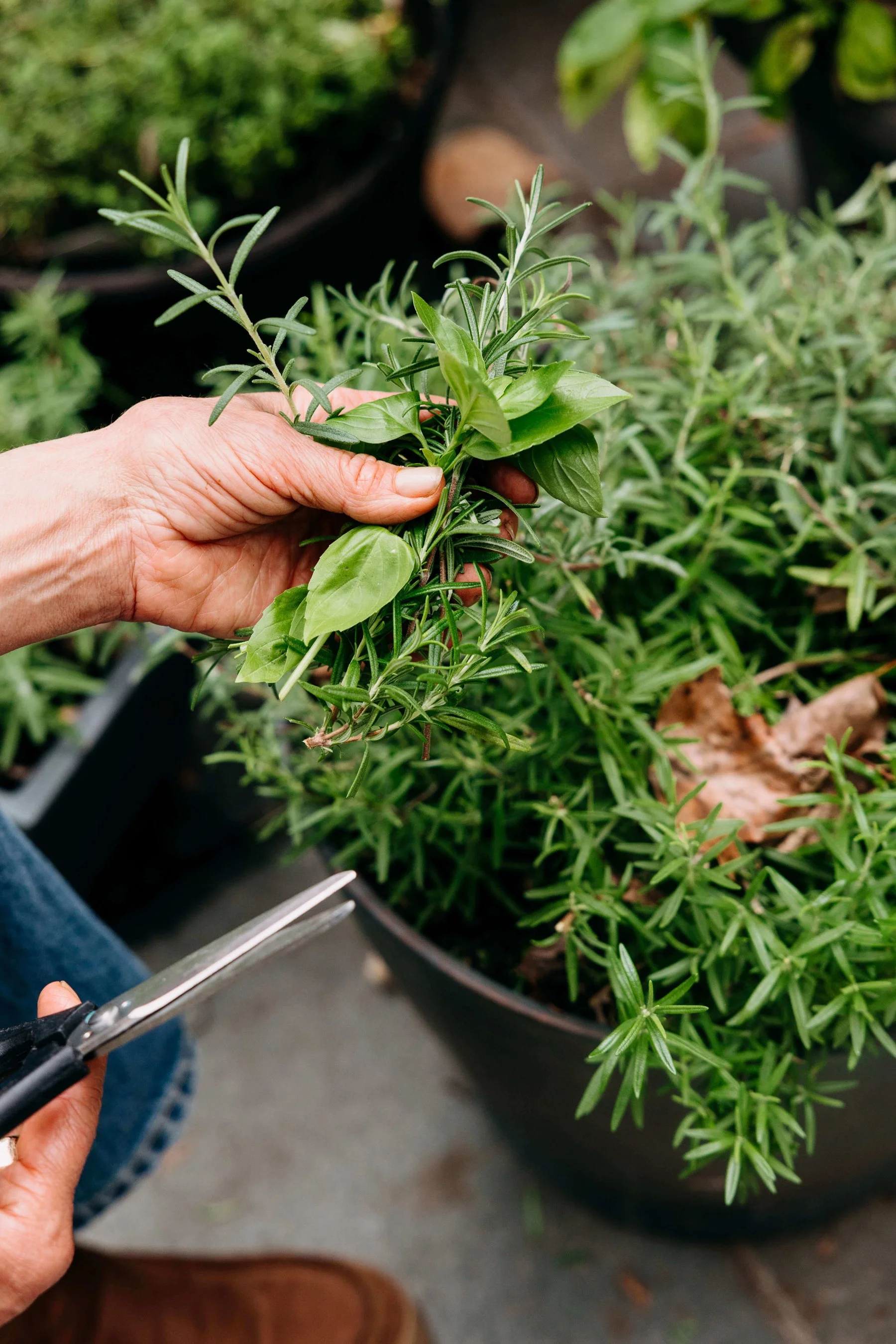
I start these crops early primarily because I am far too eager to resist. I can’t wait for kale to become a salad or to prepare pickled cabbage slaw for spicy dishes. I go with baby broccoli because it is sweeter, grows faster and multiples in secondary heads. Celery grown from seed is more pungent, giving salads and cooked dishes an herbaceous quality completely different from store-bought. And herbs are the kitchen MVP, keeping me out of the produce section and away from those plastic containers for months.
The warm-weather vegetables that I started in mid-April are still inside because they are too delicate to go out while frost remains possible. Among them are heirloom tomatoes, several styles of peppers, multiple eggplant varieties, cucumbers, zucchini and squash. Like all seedlings, they will need time to adjust to the outdoors slowly. Starting with few hours outside each day, they gradually working up to a full day over the course of a week or so.
After that, I work on my patience while I wait for it to be safe enough to transplant them permanently — the hardest part for any passionate gardener. After a string of warm days and visible growth indoors and out, it becomes tempting to think we are out of the woods in Michigan. I tell myself maybe this year the weather will behave predictably, and I can start planting sooner. And then I remember the risk of over eagerness-which is possibly losing them to frost after months of planning and work.
So, for now the mantra must remain: In Michigan, spring is not summer, no matter how convincing a few long sunny afternoons may feel!