
All Roads Lead to Champagne
How a shared love of travel, curiosity and learning shaped one of metro Detroit’s most distinctive wine programs.
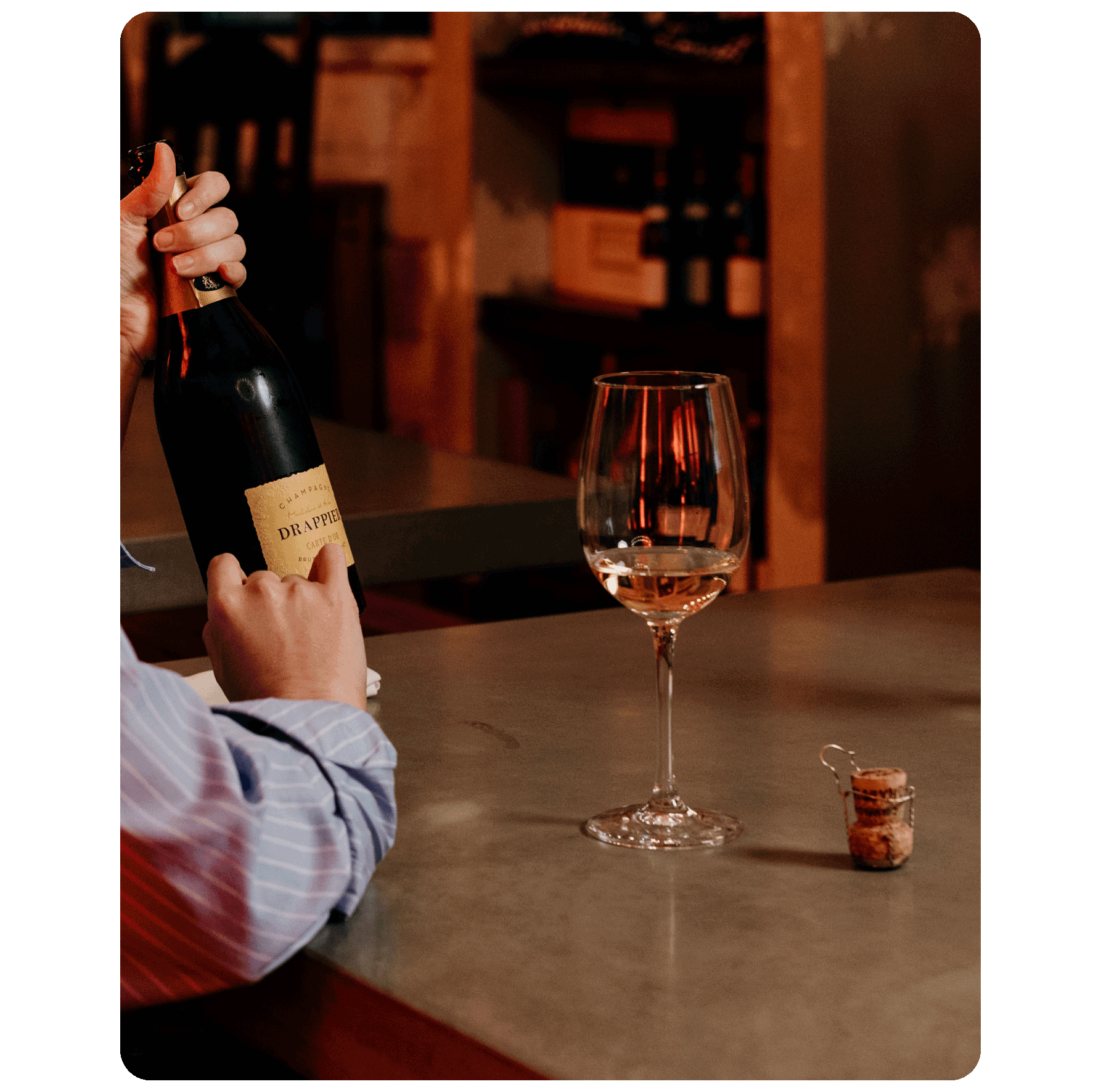
There are many reasons why Champagne is one of the most complex wines in the world.
The region has a long, tangled history, the climate is extreme, production is labor intensive and that specific category of sparkling wine is tightly regulated by the French government. The stringent control is interesting, given that the distinctive bubbles in Champagne were not intentional.
Early winemakers were trying to produce still wines, but when the dormant yeast reactivated with warming spring temperatures, fermentation restarted inside the bottles. The pressure caused most of the bottles to explode, but the ones that survived contained bubbles. The carbonation was initially considered a flaw, which the monks tried to remedy by stirring it out. It wasn’t until after this style of wine became popular among the royalty and upper class that perfecting the process became a priority.
By the 19th century, many of the techniques that define modern Champagne production had taken shape. While other countries experimented with sparkling wines, for example, Spain produces Cava and Italy introduced prosecco, they cannot be legally named Champagne. The title is globally reserved for the sparkling wines made in a specific way that come only from the Champagne region of France.
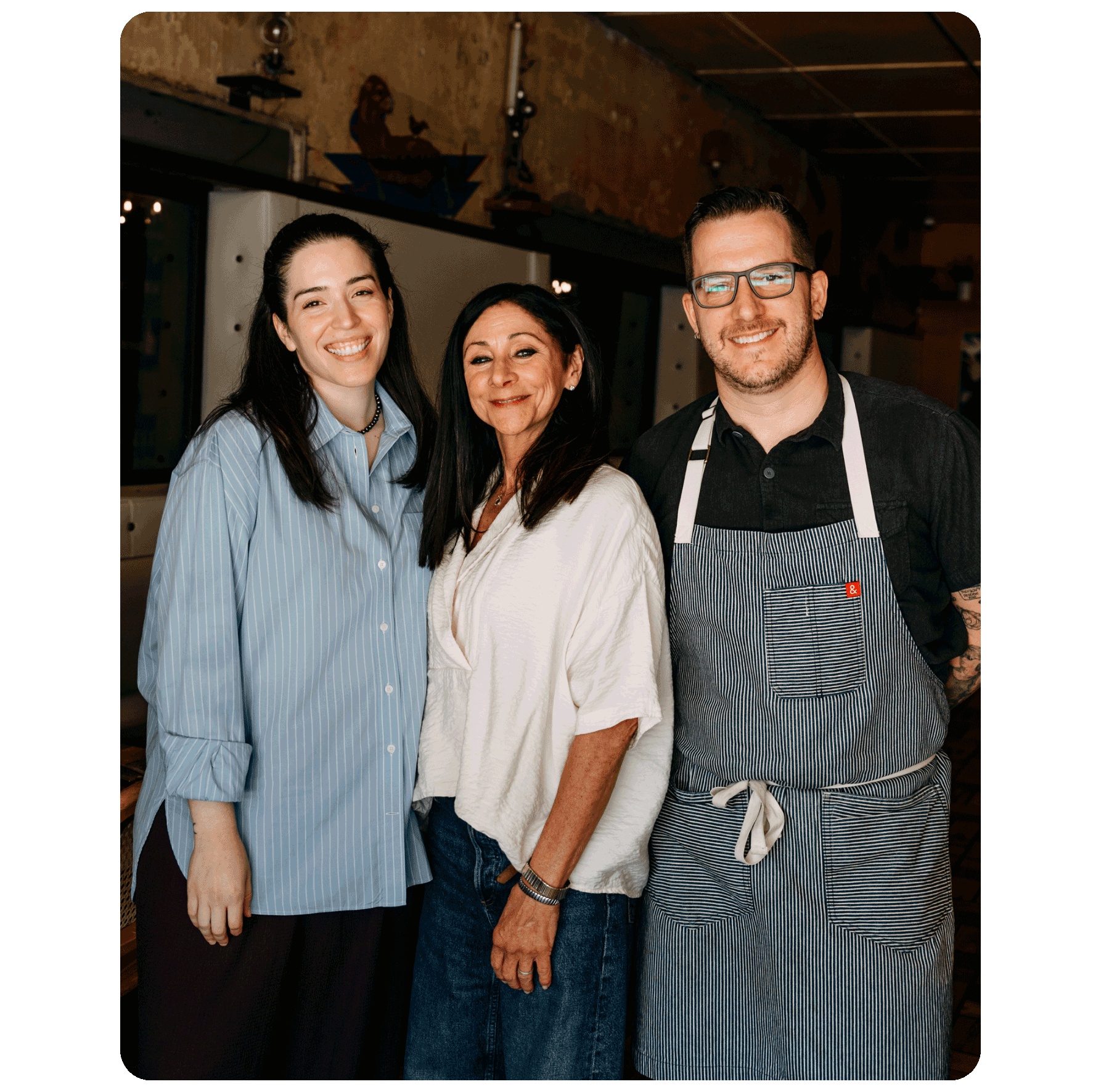
Today, you can find endless books to read, maps devoted to vineyards and people with careers built on identifying the production methods, villages and vintages. Yet for sommelier and general manager Paulina Schemanski of Mabel Gray in Hazel Park, exploring those subtle differences is precisely the point.
"I was introduced to Champagne and sparkling wine early in my wine career and was instantly drawn to it. I loved it not just for the actual wine drinking experience, but also because of the cache it has."
— said Schemanski
Shemanski’s fascination with Champagne began while working at Tallulah Wine Bar in Birmingham, where it was available by the glass long before that was common. On a quest to expand her food and wine knowledge at the time, she became a regular at Mabel Gray. She ate at the bar, often ordering glasses of Champagne to accompany the dishes. She was invited to join the team at Mabel Gray in 2019, and Champagne quickly became a central part of her mission.
The desire to learn more happened organically, as she discovered that pairing solutions for chef- owner James Rigato’s dishes do not always follow traditional pairing rules. With a constantly changing menu built around intense flavors, acid, spice and texture, she found herself reaching for it often to partner dishes with.
"We were always leaning on the Champagne. Whether it was oysters, something rich or light, or even dessert, every time, Champagne seemed capable of handling it."
— said Schemanski
Both she and Rigato were drinking Champagne on their own time, and eventually curiosity took over.
"If we're going to champion this, we should go and make sure that this region, the people and the beverage have a soul that fits with our ethos at the restaurant.”
— said Rigato
Going to the source, they were surprised by what they found. Champagne is often associated with luxury, grand estates, historic houses and indulgence, which does exist. But what struck Shemanski and Rigato the most, was how familiar parts of the region felt. It was humble, agricultural and grounded which made everything fall into place.
"We were pleasantly surprised by how aligned Champagne is as a place with a Midwestern sentiment. They're very hard-working people with a lot of pride and integrity."
— said Schemanski
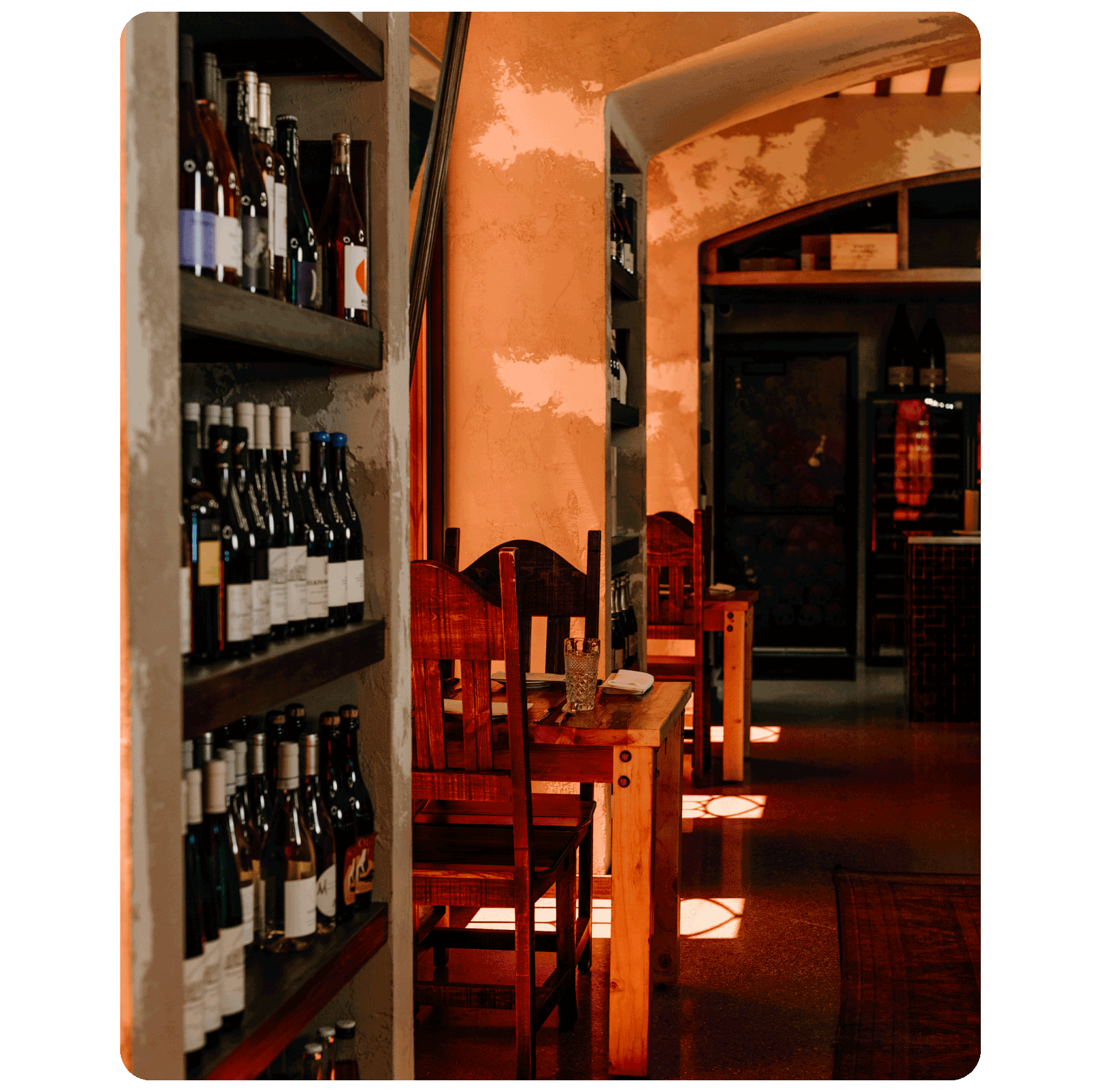
They have visited multiple times since, which gave rise to the Mabel Gray Champagne Society, a wine cave dedicated to Champagne and an upcoming documentary titled Paulina in Champagne, scheduled for release in summer 2026.
For Rigato, travel has always been essential to learning. Averaging several international trips each year, he views travel as one of the most important forms of education available to chefs, sommeliers and hospitality professionals. Their trips to the Champagne have not only deepened their understanding of the wine itself, but of the people producing it also.
"To really understand wine and cuisine, you need to taste it at its source. Seeing where those traditions originate provides context that can't be learned in regular school."
— said Rigato
Together, they’ve met with generational growers and winemaking families that have endured wars, diseases, economic upheaval and unpredictable growing seasons. The region has survived through determination and persistence, but both the people and the grapes have struggled along the way. However, those challenges are also what makes the region so unique.
"There is something so special about the terroir of Champagne that's irreplicable. Every bottle is an adventure in history and time."
— said Schemanski
Rigato agrees, extending the sentiment beyond soil and climate to include the human terroir.
"The blending, aging, dosage, fermentation and disgorgement all require human involvement. Two producers with the same grapes in the same village can create two dramatically different wines."
— said Rigato
Champagne’s endless diversity is part of the appeal for Rigato and Schemanski. Neither sees it as a subject to be mastered, rather one that continually expands without any defined endpoint. Each visit reveals how much more there is to learn and further deepens their commitment of demystifying it for others.
The restaurant's Champagne program has grown significantly since the 2023 launch of the Mabel Gray Champagne Society. Today, it features over 100 different bottles at any given time and serves as the foundation for educational tastings, collaborative dinners and events. Rigato believes many people have underestimated just how adaptable Champagne can be.
"We've paired Champagne with everything. I don't think there's anything it can't handle."
— said Rigato
That versatility is central to Shemanski’s role. She relies on it constantly when building pairings for Mabel Gray's menu, where flavors evolve regularly. The carbonation, acidity and varying levels of residual sugar allow it to complement a surprisingly wide range of foods.
"My agenda with the program is to remind people that Champagne is wine that can be enjoyed for more than special occasions. Too often it’s separated from the broader wine conversation, and its versatility is frequently overlooked."
— said Schemanski
Rigato encourages his team to travel whenever possible and to remain students throughout their lives. He believes that experiencing food, wine, culture and history where it originates expands a person’s universe and stays with them long after returning home.
For Schemanski, it’s Champagne that continues to reward her curiosity. For Rigato, learning is a pursuit that never truly ends, which is why they continue to go back to the region.
"The more you know, the more you realize you have no idea. Even after centuries of refinement, there are still ideas to explore, producers to meet and stories to hear about every bottle.”
— said Rigato
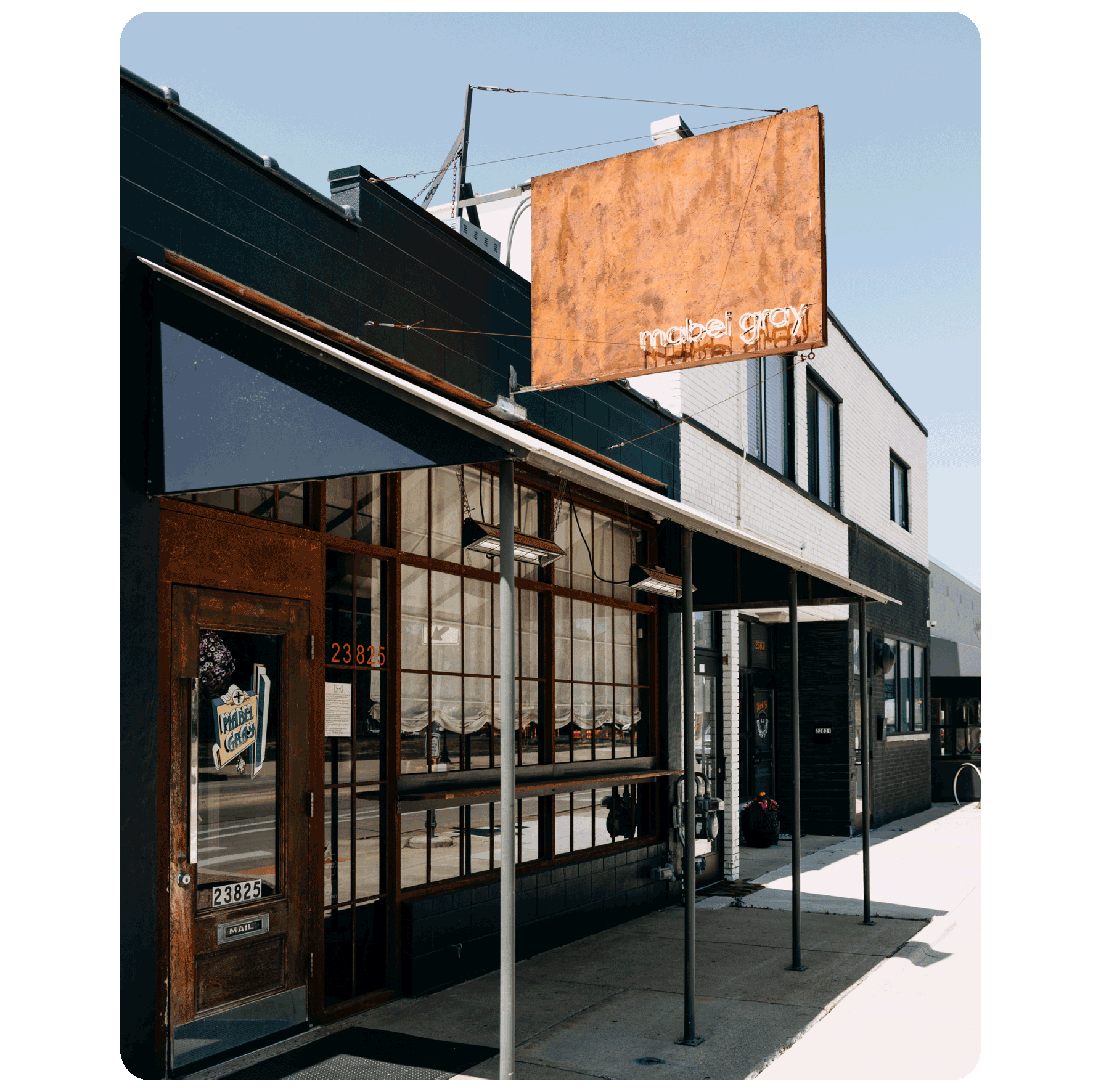
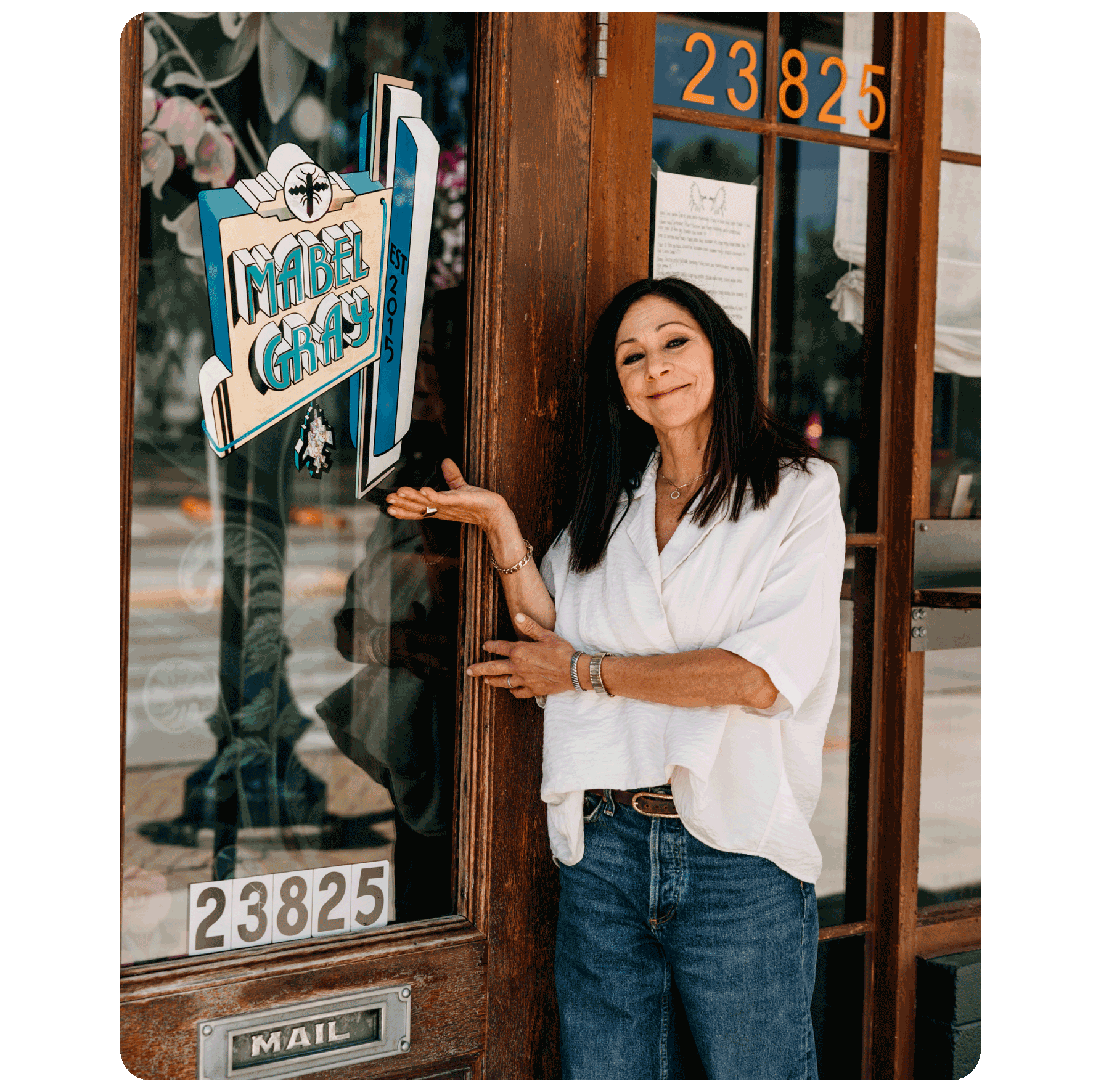
Mabel Gray is located at 23825 John R Road, Hazel Park, MI
Dining and Champagne Society reservations can be made by calling 248-398-4300 or at eat@mabelgraykitchen.com
Hours
Tuesday—Thursday 4pm-10pm
Friday—Saturday 4pm-11pm
Monday—Closed
Tasting Menu
$92/per person
Beverage Tasting
$55/per person